Drug-coated balloon PCI: a Cath Lab 101 guide
Reviewed by Rodnie Oro, cath lab charge nurse · Last reviewed: November 2026 · Education only, not medical advice
Drug-coated balloon PCI in one minute
What it is: A type of PCI where the narrowing is first prepared with a balloon, then treated with a balloon coated in a drug that stops tissue growing back. No new stent is left behind unless one is needed.
Who it is for: People with narrowing inside an old stent (in-stent restenosis), small arteries, some side branches at a bifurcation, or a high bleeding risk, as decided by the operator.
Main risks: Bleeding at the wrist or groin, a tear in the artery that needs a stent, the artery narrowing again, and reaction to contrast. Your team will explain your own risk.
Usually: Awake, under local anaesthetic, about 1 hour, often home the same or next day.
On this page: What is drug-coated balloon PCI? · Who is it for? · When is it done? · Step by step · Recovery · Risks · Kit list · First time in the lab? · FAQ
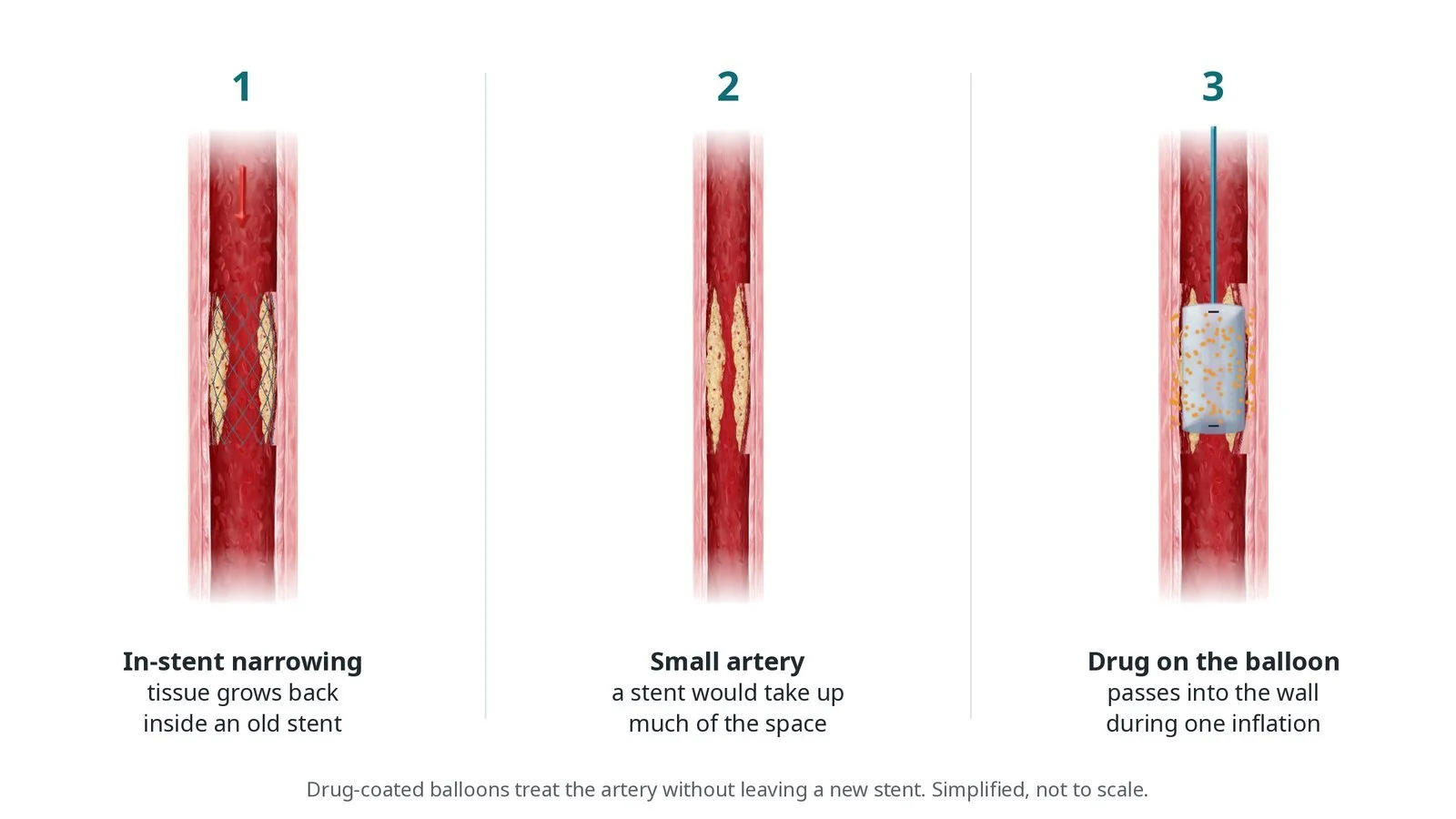
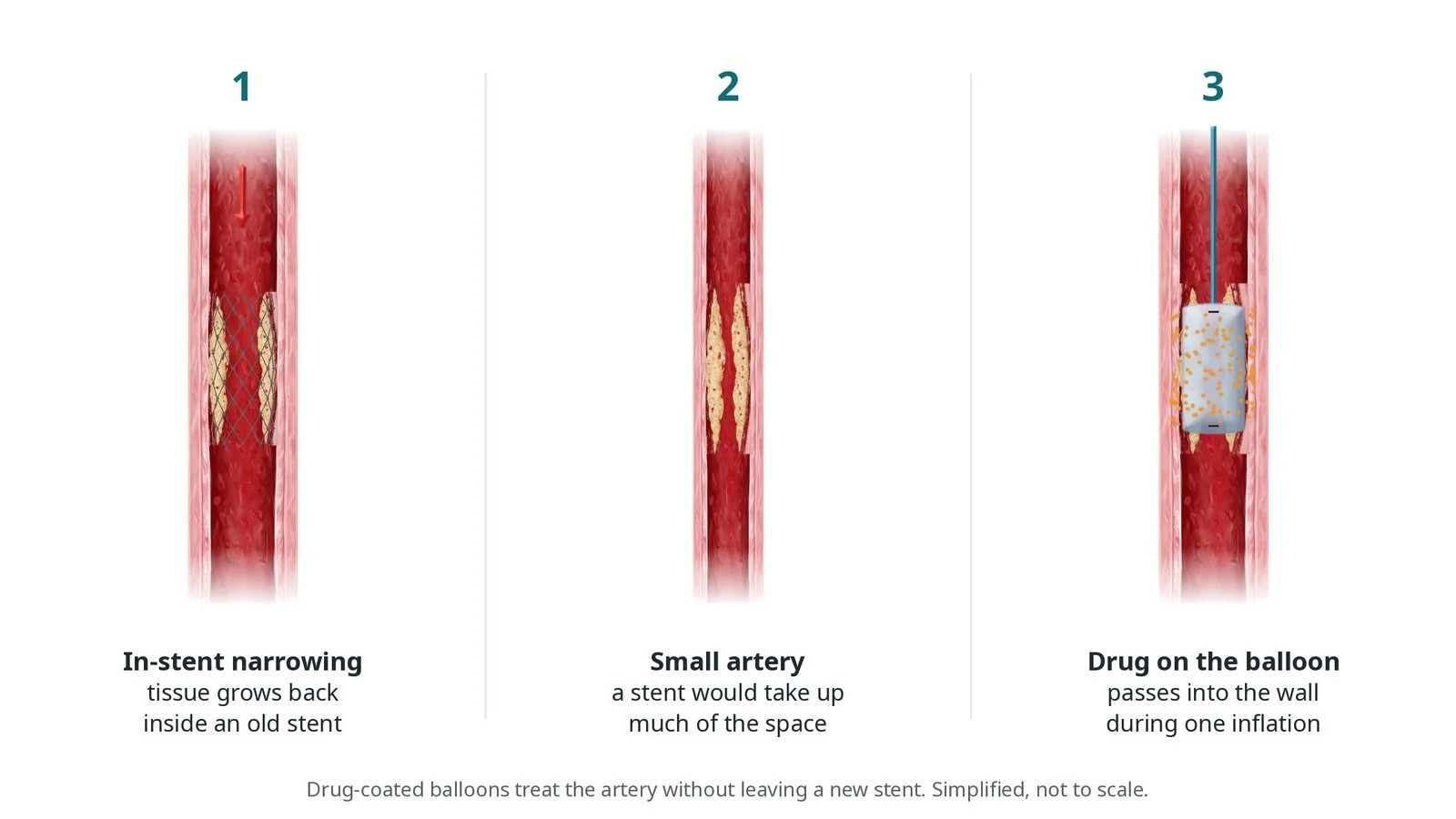
Where a drug-coated balloon helps: (1) narrowing inside an old stent; (2) a small artery where a stent would take up much of the space; (3) the drug on the balloon passes into the artery wall during one inflation.
What is drug-coated balloon PCI?
A drug-eluting stent holds the artery open and releases a drug that stops scar tissue growing back. A drug-coated balloon (DCB) delivers a similar drug straight to the artery wall during a single inflation, then is removed. Nothing is left behind except the drug in the wall.
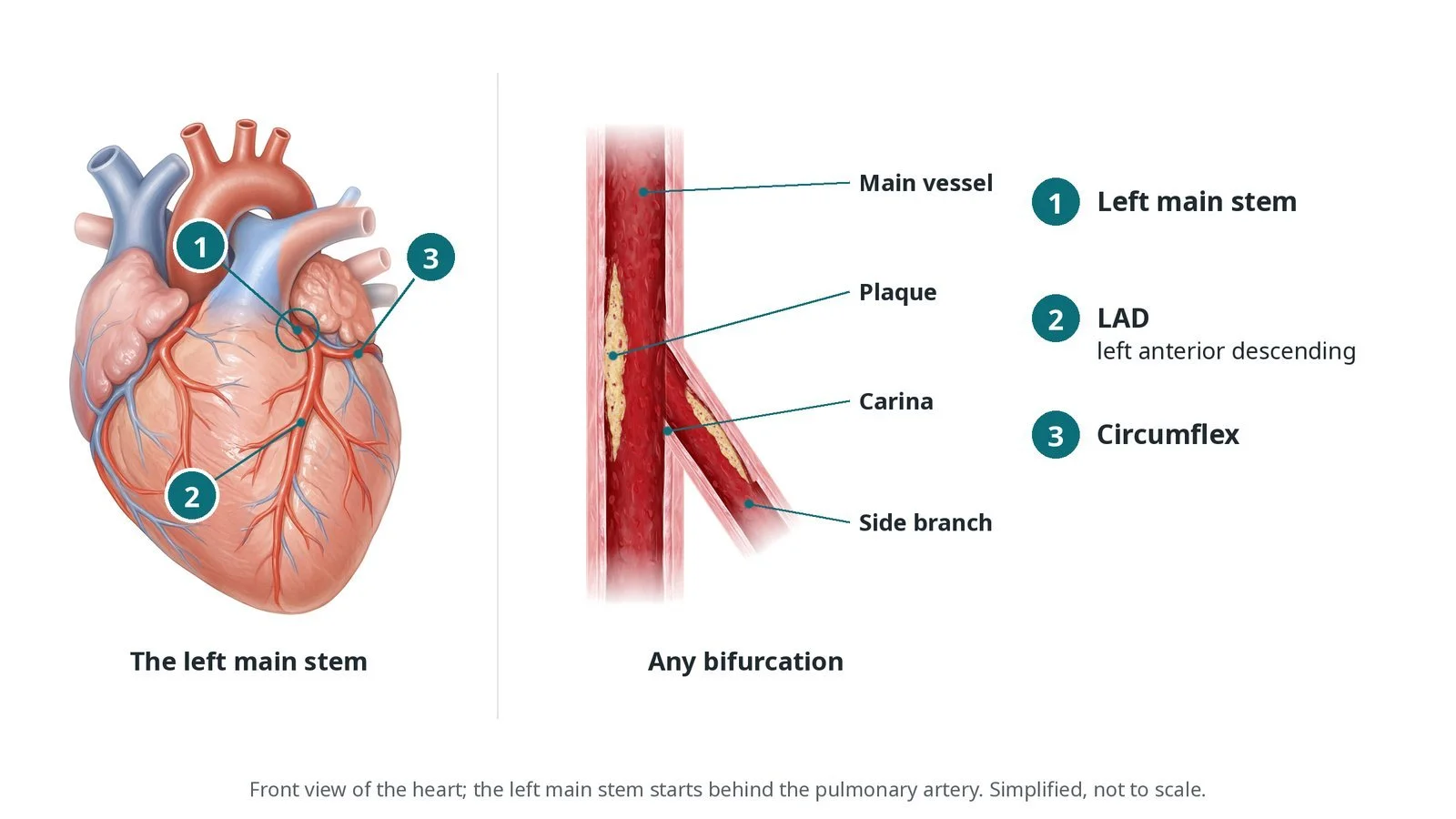
This matters where a stent is less suitable: inside an old stent, where another layer of metal narrows the artery further; in small arteries, where a stent takes up much of the space; and in side branches at a bifurcation.
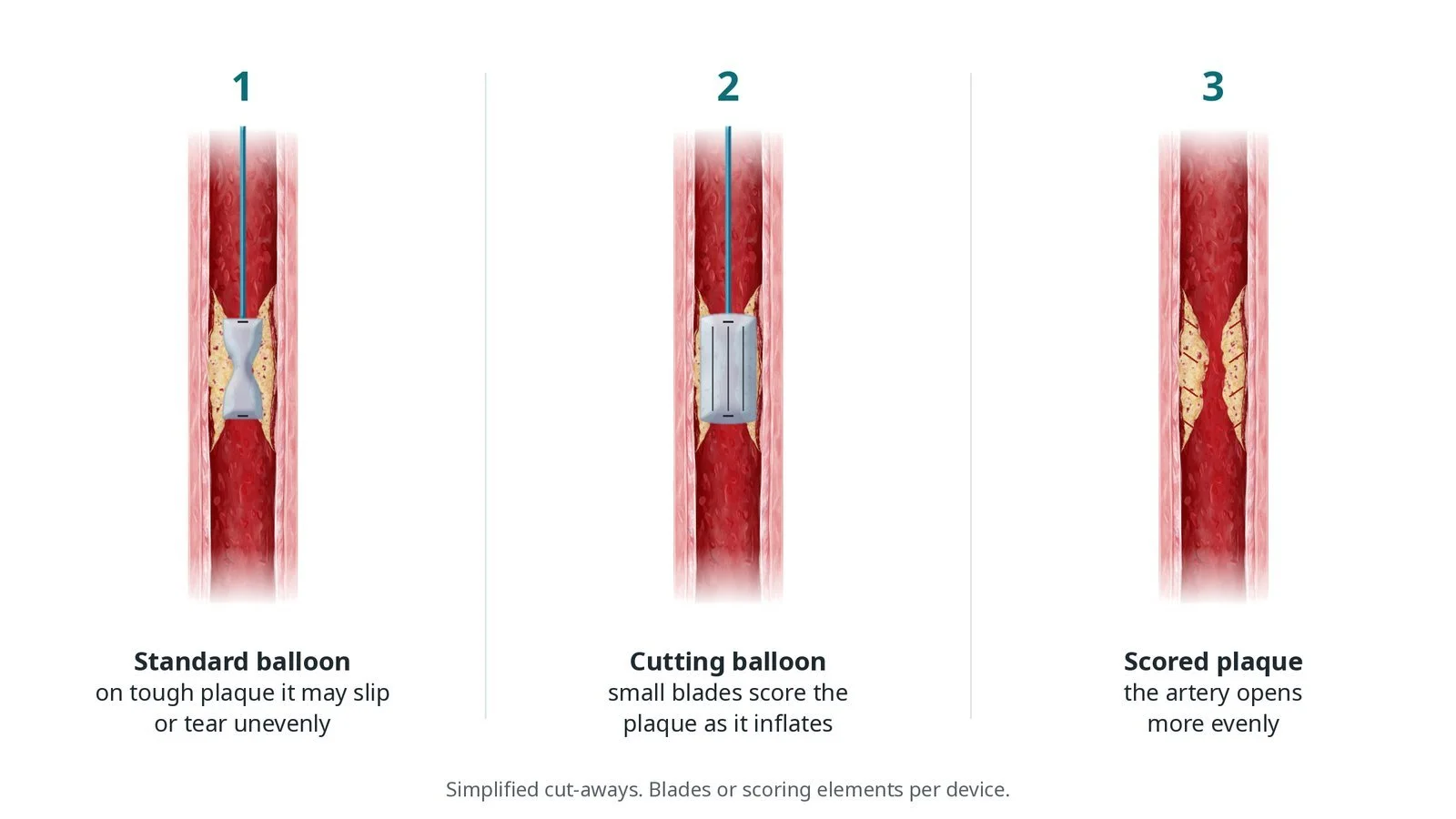
The result depends on good preparation. The narrowing is first opened with a balloon sized to the artery, or a scoring or cutting balloon. The DCB is only used if that result is good enough: a small amount of narrowing left, good flow and no major tear.
New to the acronyms? See the Cath Lab Abbreviations A–Z.
Who is it for?
Common uses include:
narrowing inside an old stent (in-stent restenosis)
small coronary arteries
side branches at a bifurcation
people at high bleeding risk, where the team may want a shorter course of antiplatelet medicines, as advised
Who it may not suit: Narrowings that recoil or tear badly after preparation usually need a stent. Some large arteries and some acute heart attack cases are better treated with a stent.
The decision is made by your heart team, who will talk through the reasons, the alternatives and the risks with you.
When is it done?
Planned or during an urgent PCI, once the operator has decided the artery is suitable. The decision is often made in the lab after the narrowing has been prepared.
gives you a chance to ask questions and give consent
arranges blood tests, including kidney function and a blood count, and an ECG
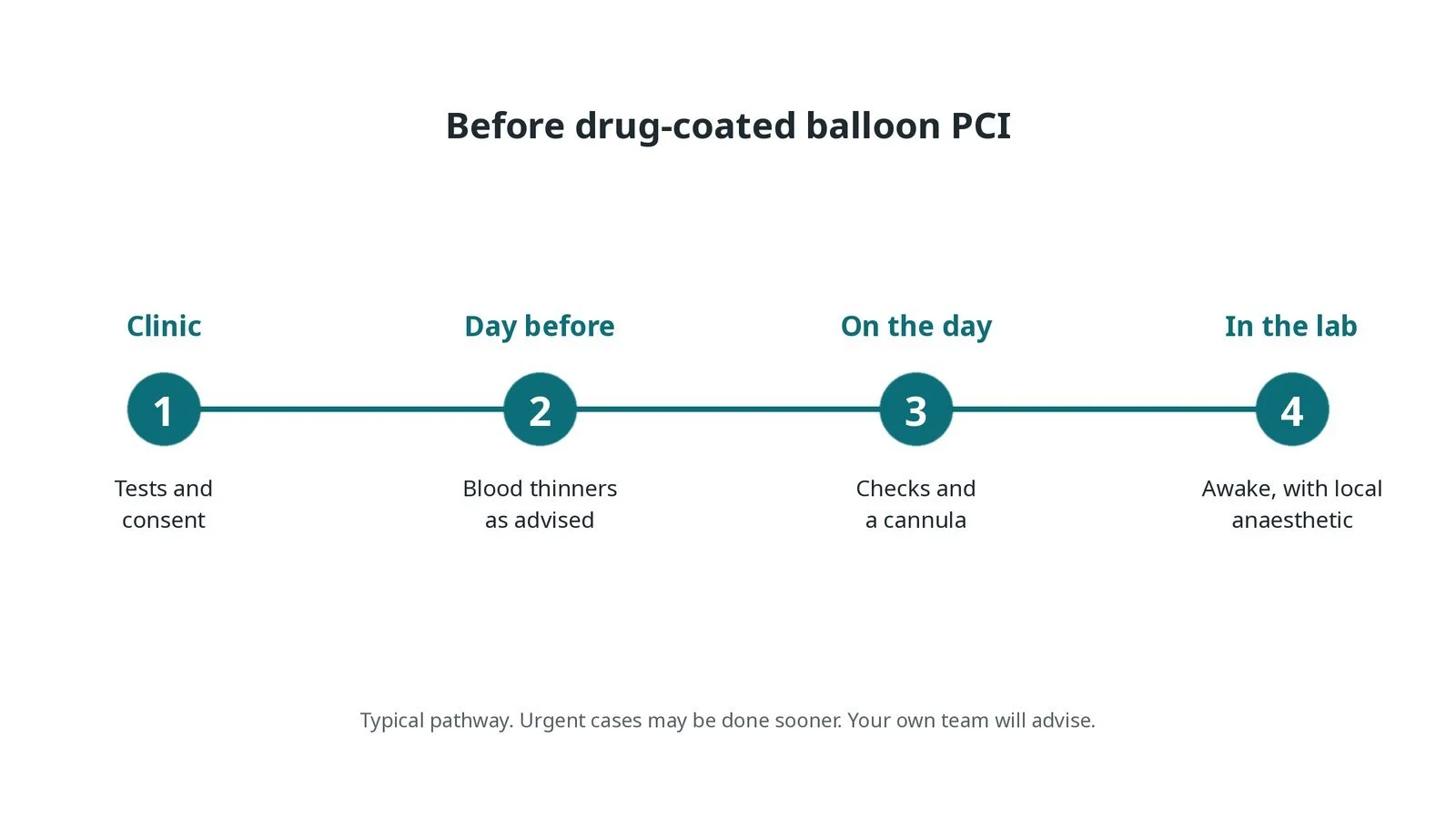
Before drug-coated balloon PCI: tests and consent; blood thinners as advised; checks and a cannula on the day; awake with local anaesthetic in the lab.
Step by step
1. Getting ready
You lie on the X-ray table with ECG, blood pressure and oxygen monitoring. The usual PCI set-up is used, with a bail-out stent of the right size available.
2. Access
A sheath goes into the radial artery at the wrist, or the femoral artery at the groin. Heparin is given as per centre protocol. A guide catheter engages the coronary artery and a guidewire crosses the narrowing.
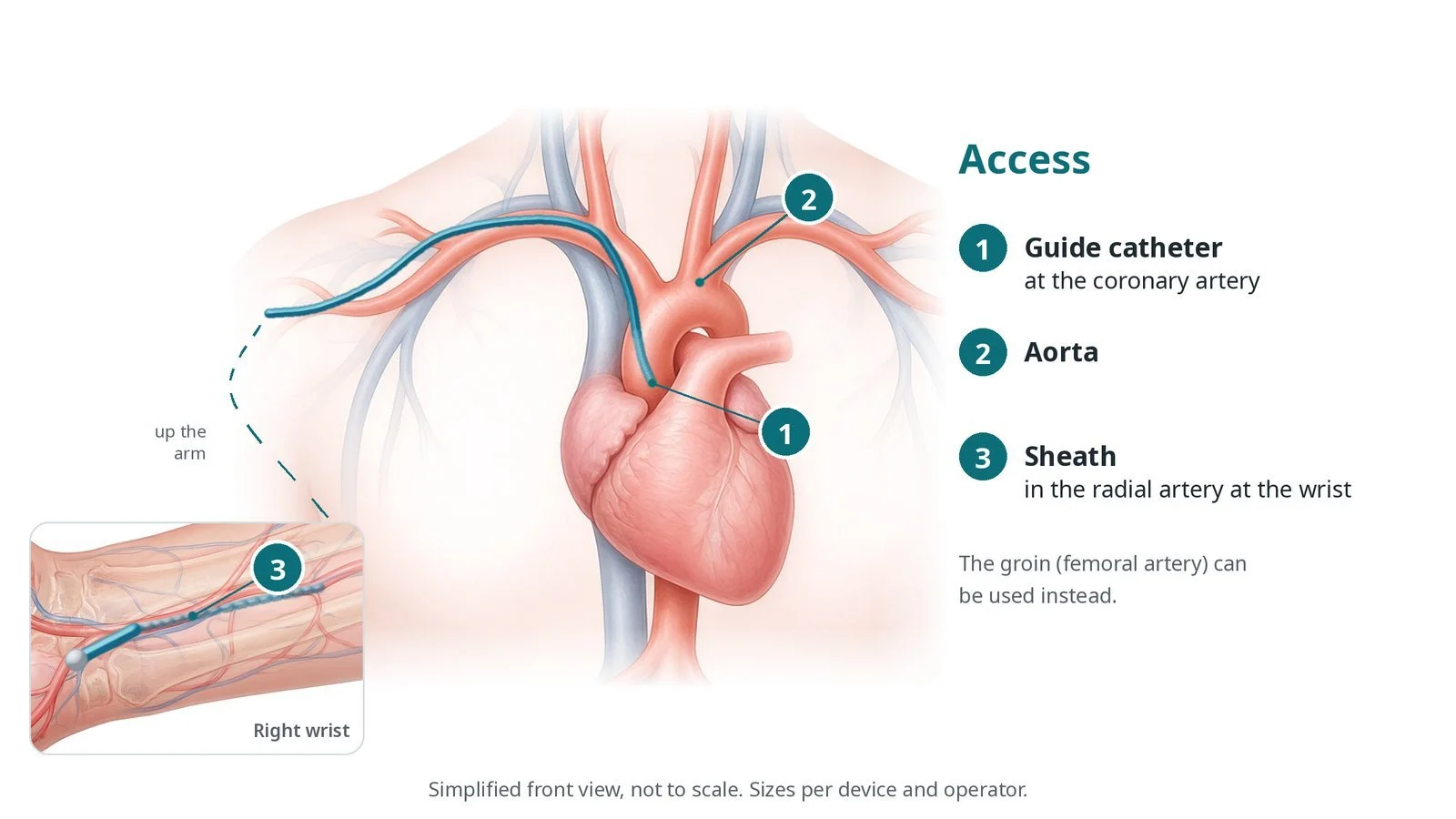
Access: (1) guide catheter at the coronary artery; (2) aorta; (3) sheath in the radial artery at the wrist. The groin can be used instead.
3. Treating the narrowing
A. Prepare. The narrowing is opened with a balloon sized to the artery, or a scoring or cutting balloon. Imaging (IVUS or OCT) may guide sizing.
B. Check. The result is reviewed: only a small amount of narrowing left, good flow and no flow-limiting tear. If not, a stent is usually placed instead.
C. Drug-coated balloon. The DCB is taken straight to the narrowing without delay, covering the prepared segment with a margin at each end, and inflated once for the time the maker states.
D. Nothing left behind. The balloon is removed. A final angiogram checks the result. A small, non-flow-limiting tear is often accepted.
Watch: A flow-limiting tear or sudden recoil after the DCB means the artery may close. Tell the operator; a bail-out stent is placed.
4. Finishing
The wire and guide are removed. The sheath comes out and the wrist or groin is closed, as per centre protocol.
5. Handling rules
Each DCB is used for one inflation only; once inflated, most of the drug has gone, so it is never reused for another segment. There is a time limit between entering the body and inflating, set by the maker, so the path to the narrowing must be prepared first.
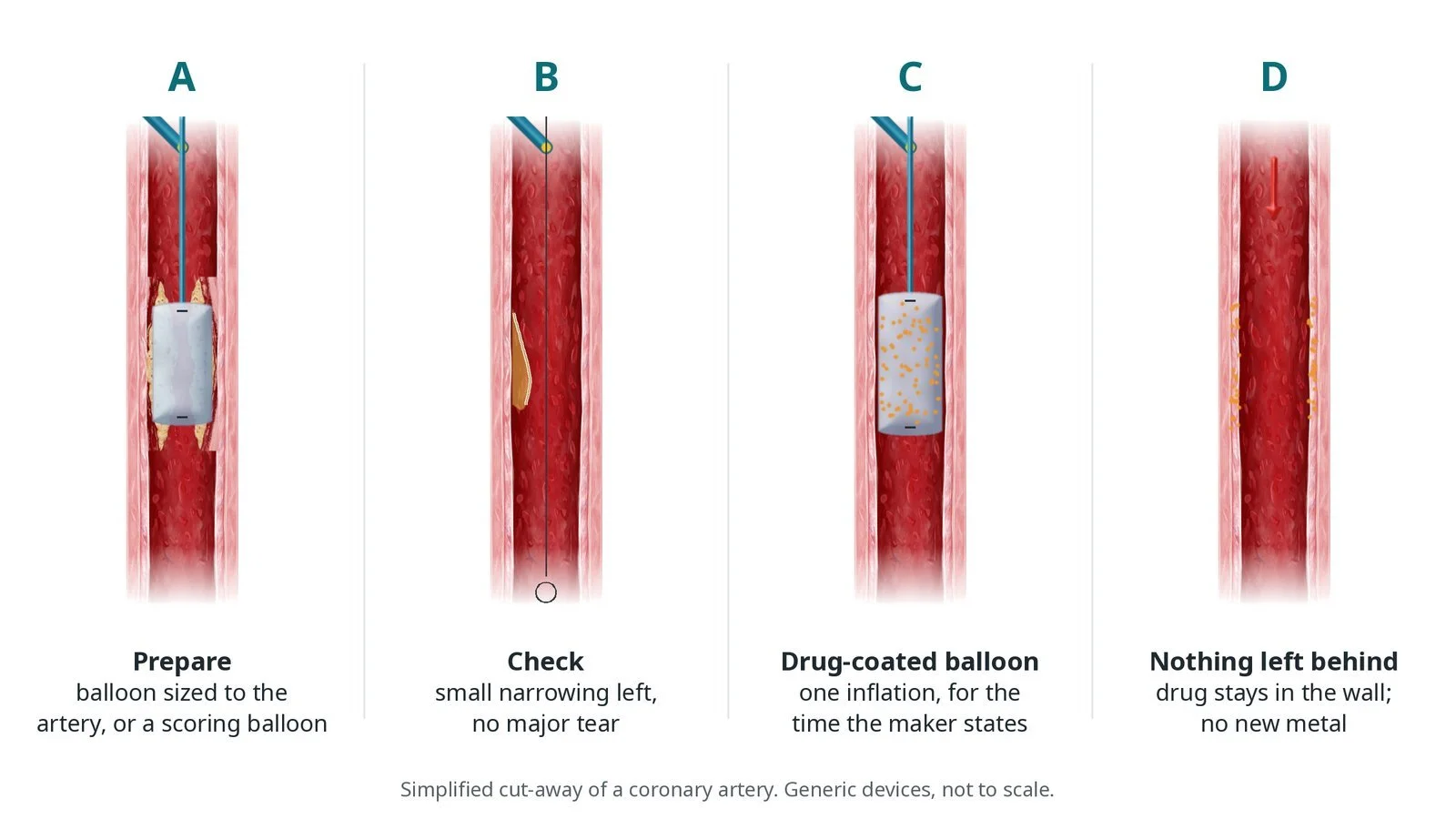
A: prepare the narrowing with a balloon sized to the artery, or a scoring balloon. B: check the result: only a small narrowing left and no major tear. C: one drug-coated balloon inflation for the time the maker states. D: the drug stays in the wall and no new metal is left.
Recovery and aftercare
First hours: wrist or groin, heart rhythm and blood pressure checks, as per centre protocol.
Going home: often the same or next day.
Medicines: take antiplatelet medicines for as long as advised; do not stop them without asking your team.
Activity: avoid heavy lifting with the wrist or leg used for a few days.
Driving: DVLA Group 1 rules usually allow car driving about one week after a planned PCI if you are well; ask your team.
Follow-up: clinic review and cardiac rehabilitation where offered.
Call 999 if you have chest pain that does not settle, breathlessness, fainting or heavy bleeding.
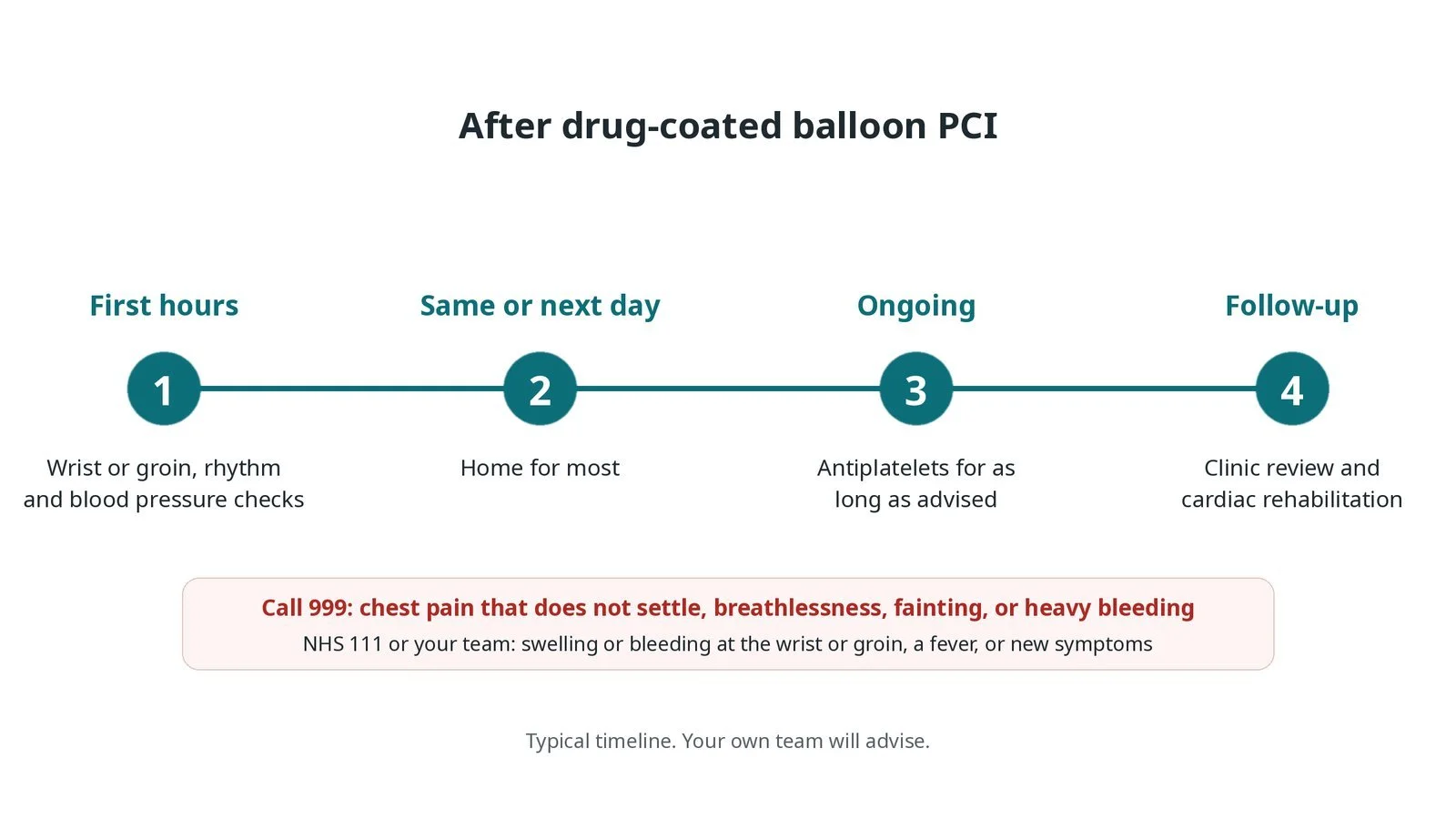
After drug-coated balloon PCI: (1) wrist or groin, rhythm and blood pressure checks; (2) home the same or next day for most; (3) antiplatelets for as long as advised; (4) clinic review and cardiac rehabilitation.
Risks and complications
Your team will explain the risks that apply to you. Possible problems include:
Bleeding or bruising at the wrist or groin
Tear in the artery needing a stent (uncommon)
The artery narrowing again over time
Sudden closure of the artery (rare)
Kidney strain from contrast
Perforation of the artery (rare)
Cath lab kit list (printable)
Barts example kit list
An example from one UK centre, written generically. Every lab has its own protocol, and sizes and doses vary.
radial or femoral sheath, size per operator
guide catheter and coronary guidewires, per operator
plain, non-compliant, scoring or cutting balloons for preparation
drug-coated balloons, sizes per operator
inflation device
bail-out drug-eluting stents of matching size
IVUS or OCT catheter, if used
heparin, GTN and contrast, as per centre protocol
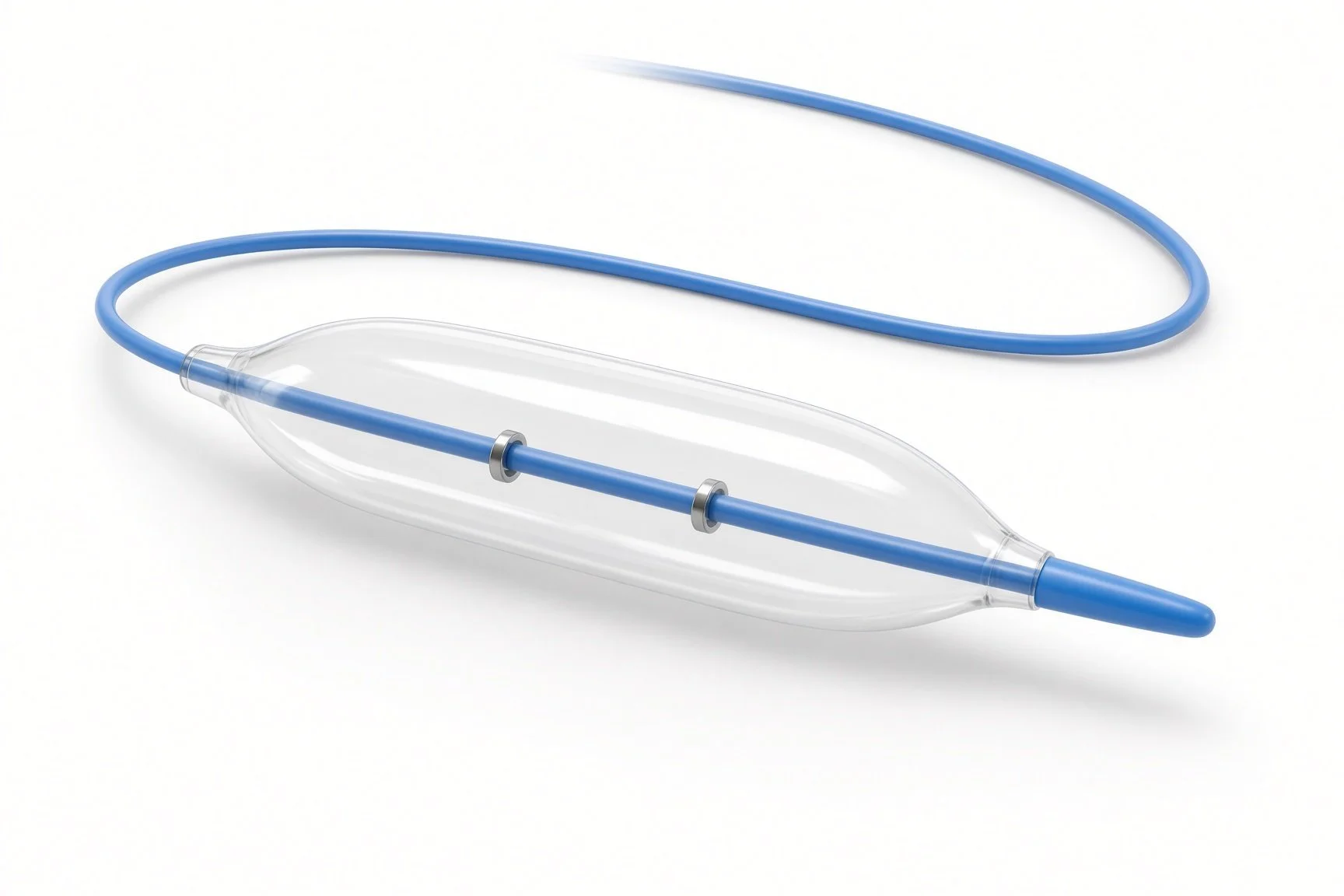
Preparation balloons.
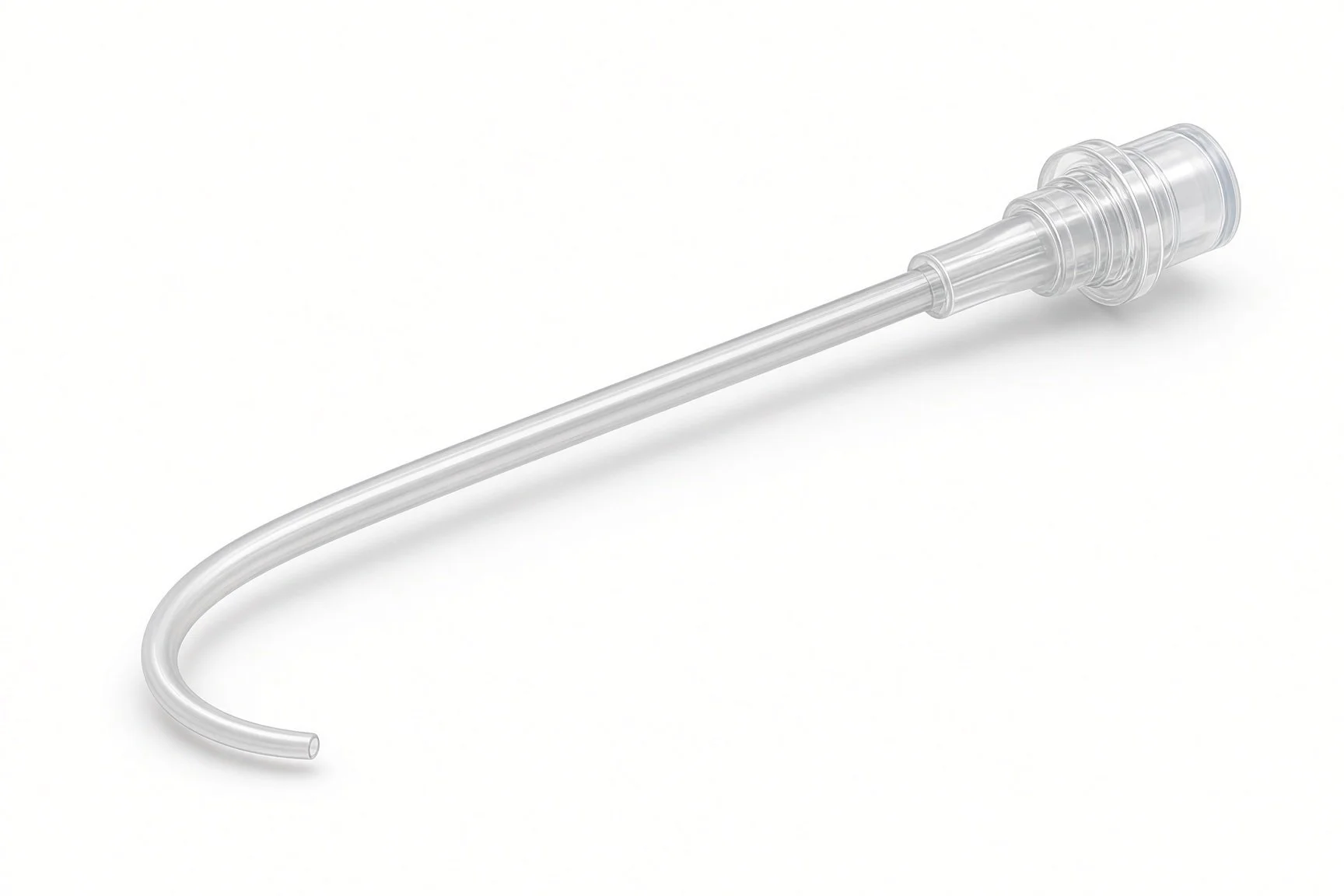
IVUS or OCT catheter if used.
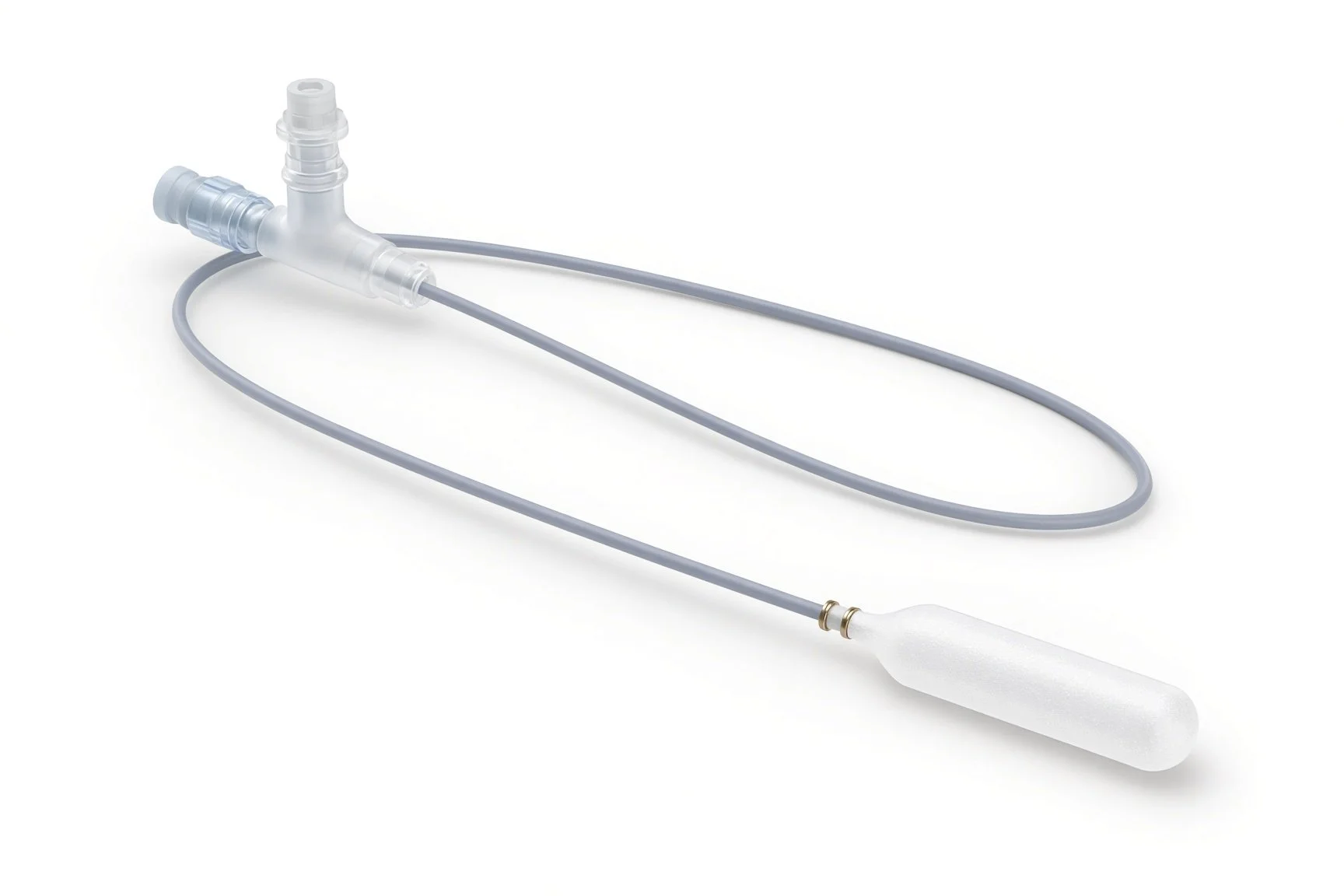
Drug-coated balloon.
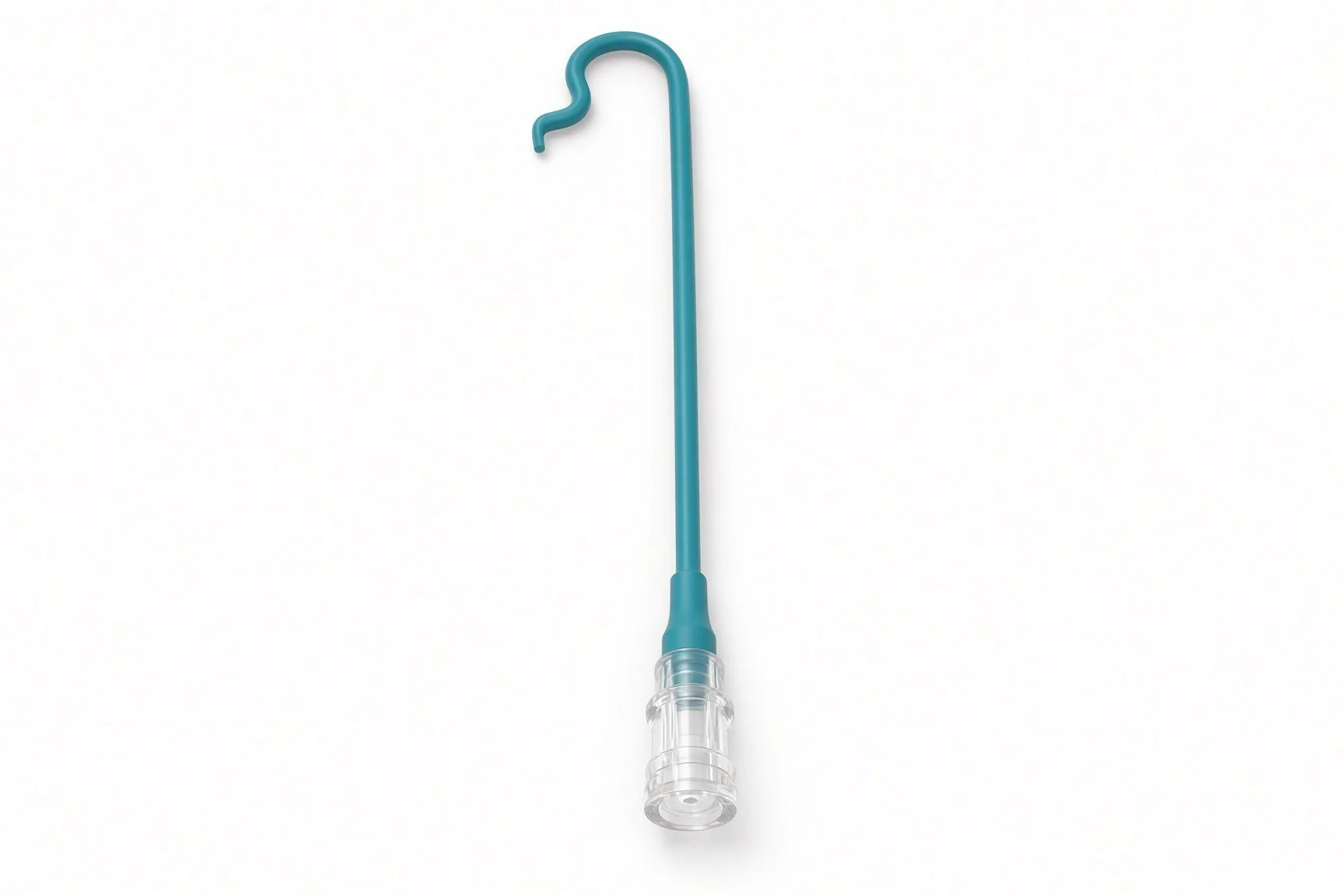
Guide catheter.
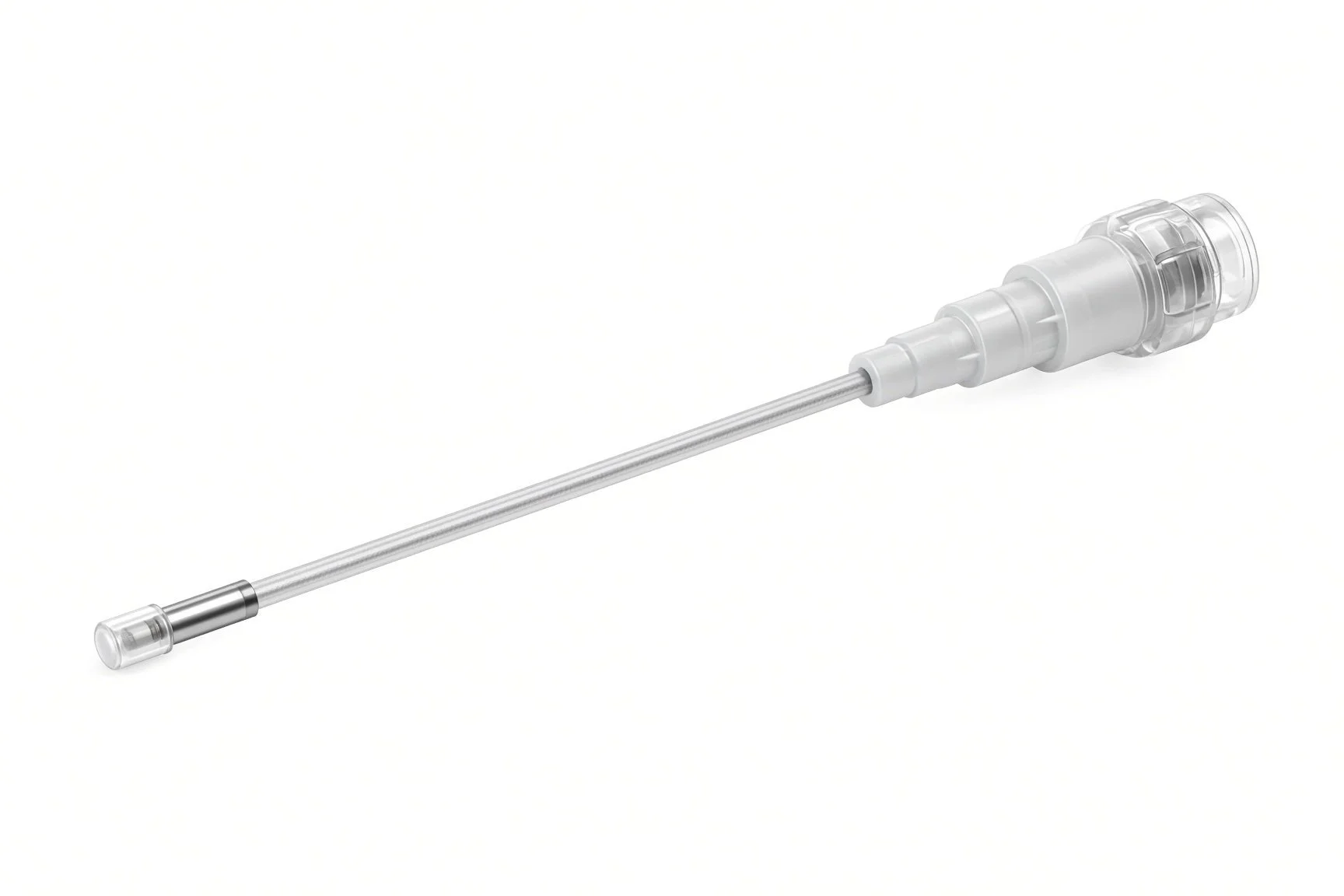
IVUS or OCT catheter, if used.
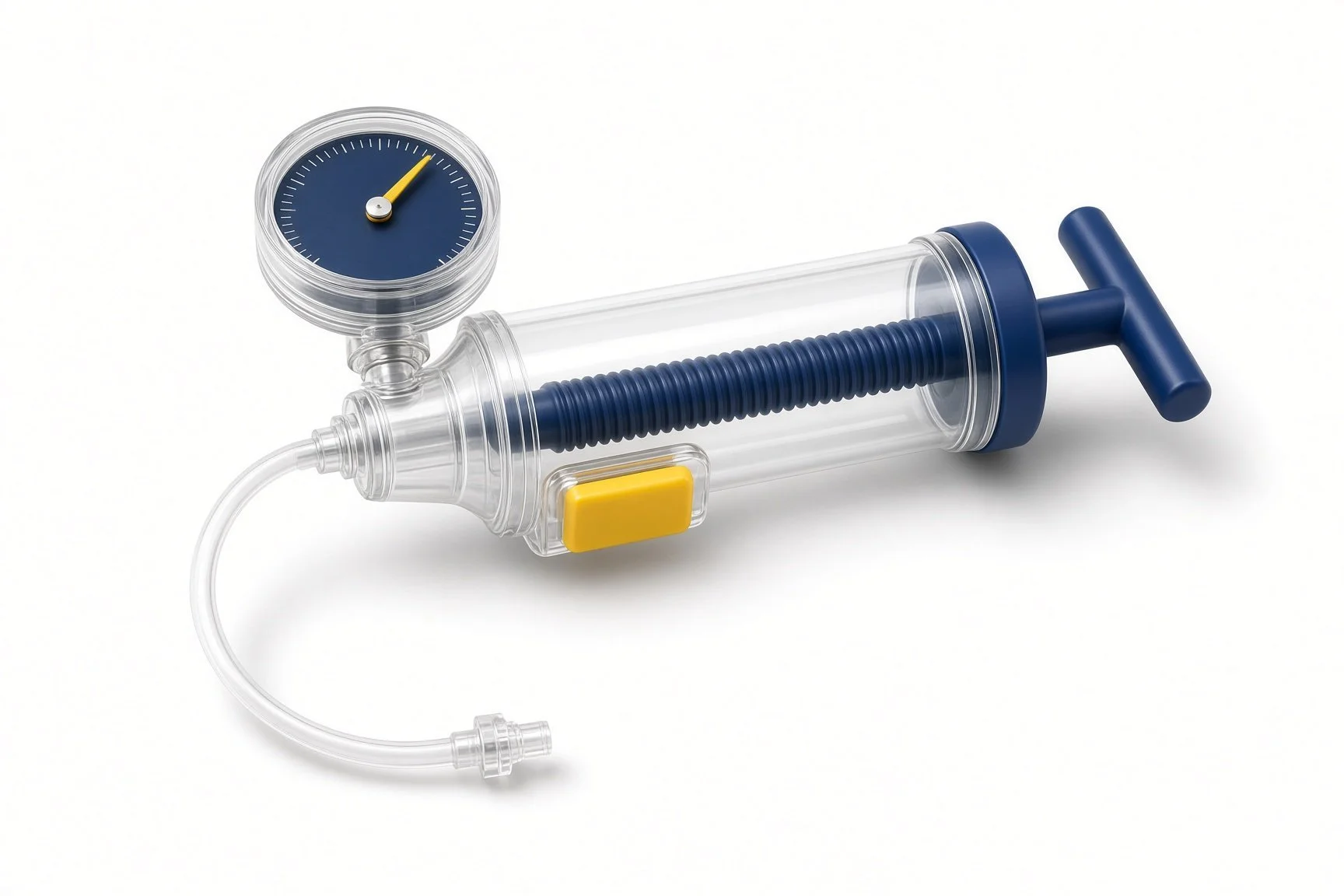
Inflation device.
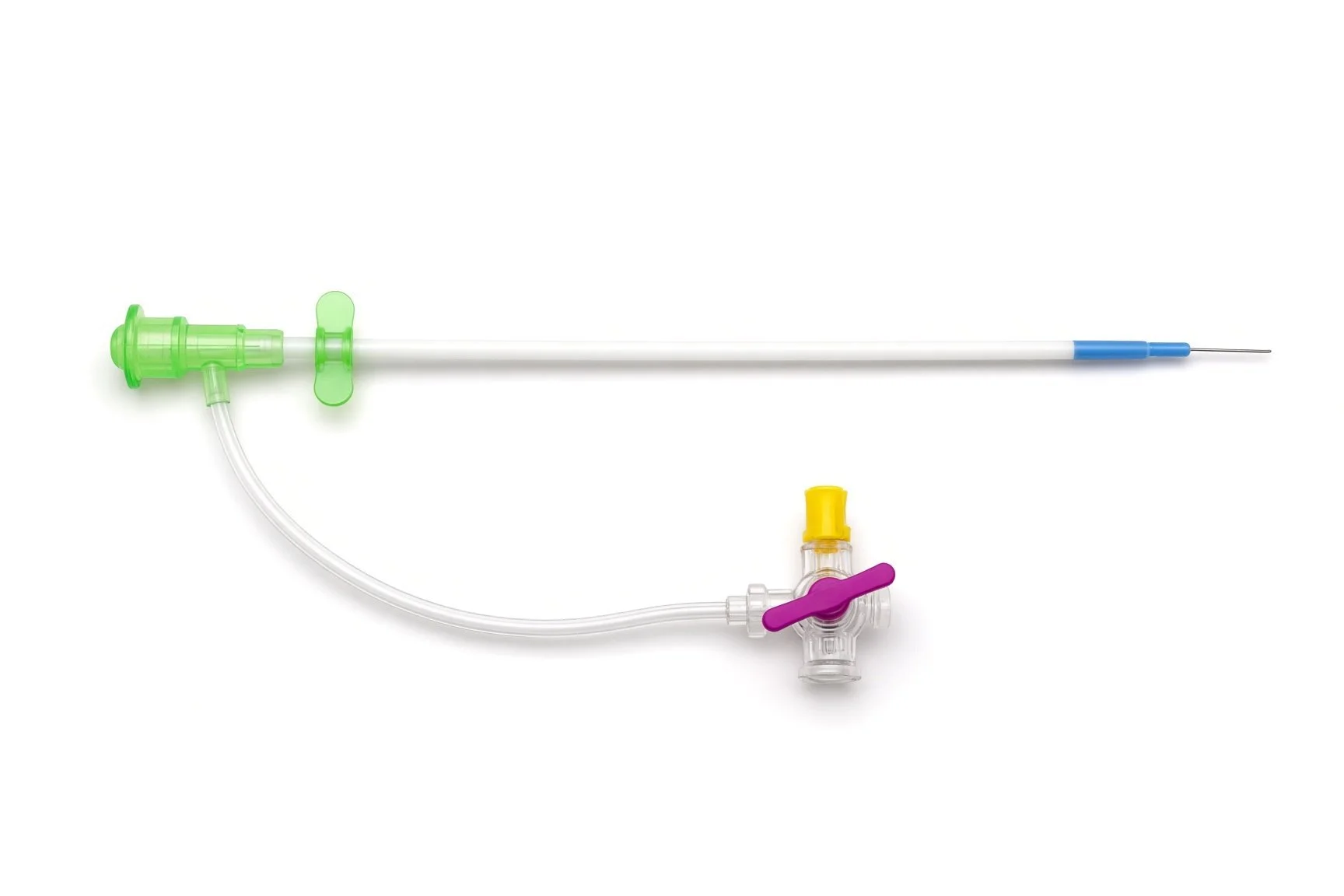
Introducer sheath.
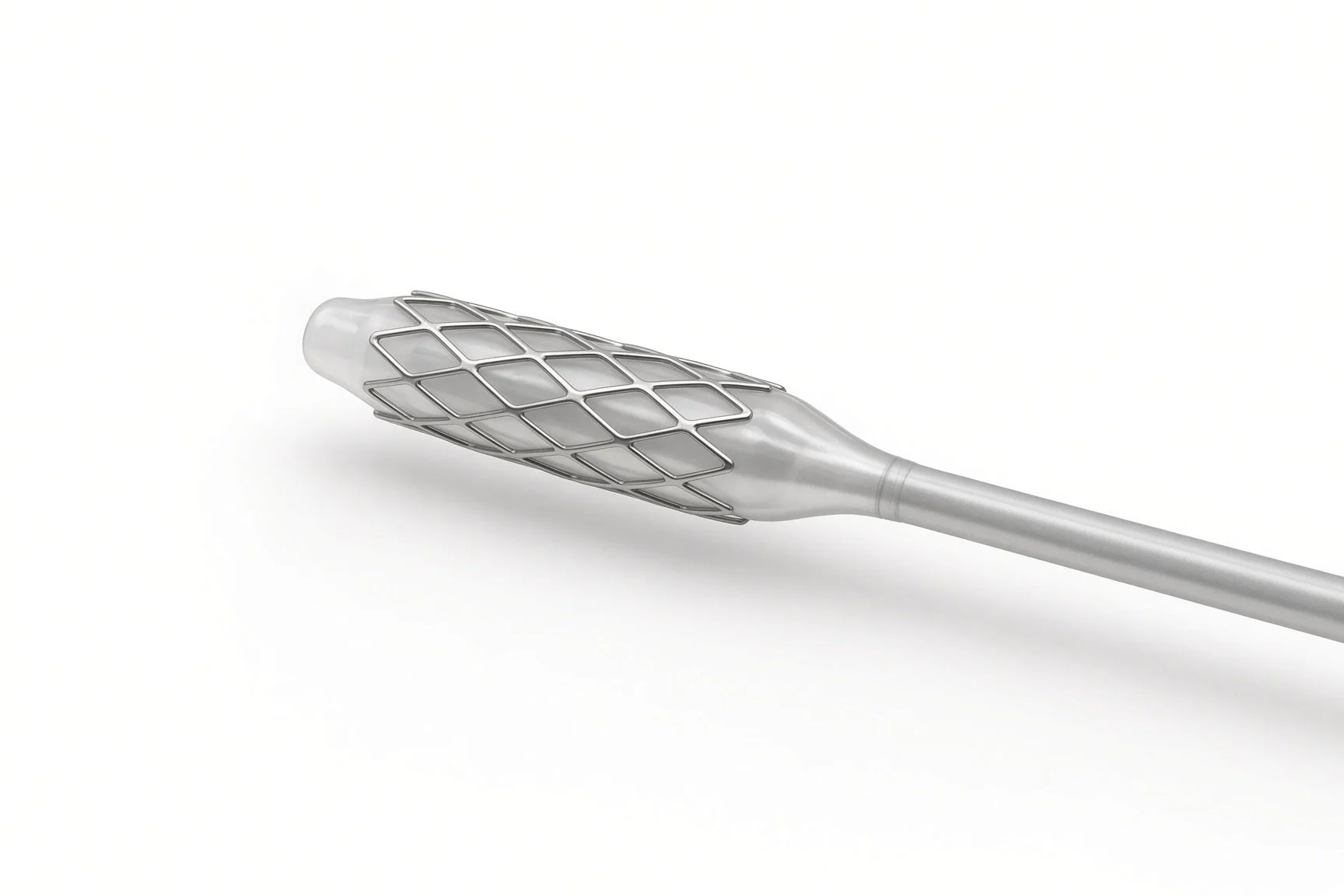
A bail-out stent ready.
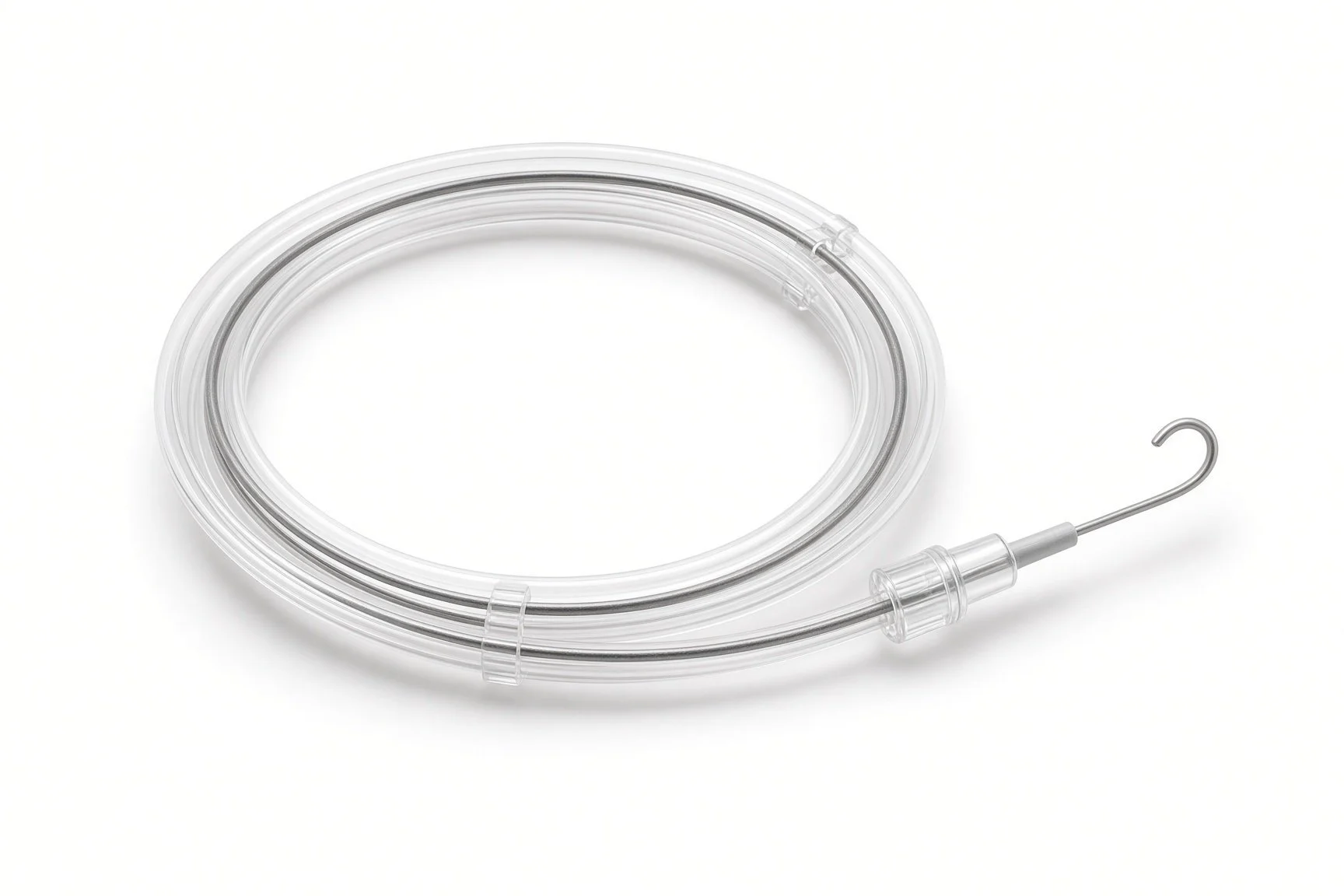
Coronary guidewire.
Procedural steps (Barts example)
Getting ready
Access
Treating the narrowing
Finishing
Handling rules
First time in the cath lab?
Respect the coating. Keep the DCB dry and in its packaging until it is asked for. Wiping or wetting it can remove the drug.
One balloon, one inflation. A used DCB cannot treat another segment. If more length is needed, a new balloon is opened.
Have the bail-out stent ready. The plan can change after the check step; know where the matching stent is.
Time the inflation. The maker sets the inflation time; call it out so the operator does not have to count.
Do not wet or wipe the DCB before use, and keep it in its packaging until the operator is ready. The coating can be lost.
Note the inflation time and pressure in the record as they happen.
If the DCB will not cross, it is withdrawn and the narrowing re-prepared. Do not push hard and strip the coating.
FAQ
Will I have a stent?
Not usually. A stent is only placed if the artery needs one after preparation, for example because of a significant tear.
Why not just use a stent?
In some arteries, such as inside an old stent or in small vessels, avoiding another layer of metal may be better.
How long do I take blood thinners?
Your team decides. With no new stent, some people need a shorter course, but follow their advice.
Does the drug stay in the artery?
Yes. It passes into the wall during the inflation and works there for weeks.
Related Cath Lab 101 guides
Left main and bifurcation PCI (coming soon)
Sources
All checked on 12 November 2026. Each page's own date is shown where it gives one.
Neumann FJ, et al. 2018 ESC/EACTS Guidelines on myocardial revascularization. Eur Heart J 2019
Jeger RV, et al. Drug-coated balloons for coronary artery disease: third report of the International DCB Consensus Group. JACC Cardiovasc Interv 2020
StatPearls (NCBI Bookshelf), search: drug-coated balloon. ncbi.nlm.nih.gov/books
Disclaimer
Education only. This page is for general education for healthcare students, cath lab staff and curious readers. It isn't medical advice and doesn't replace advice from your own doctor, heart team or local unit protocols. Equipment and medicines are described generically. No product or manufacturer is recommended. If you think someone is having a heart emergency, call 999.
Disclosure: I work in the medical device industry. This page is independent education and isn't sponsored or reviewed by any company.
All diagrams on this page are original illustrations created for rodnieoro.com.