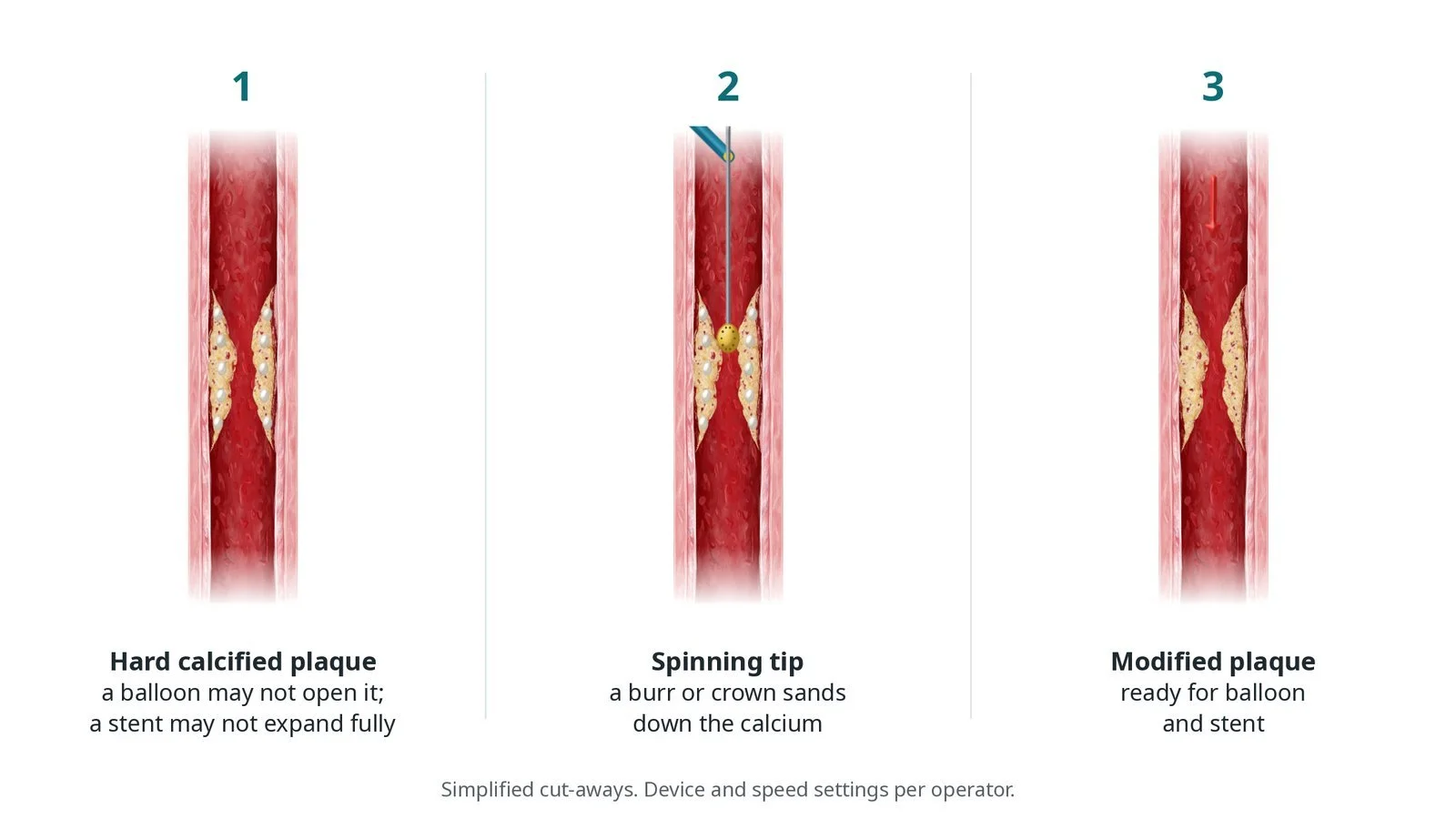
Excimer laser coronary atherectomy (ELCA): a Cath Lab 101 guide
Reviewed by Rodnie Oro, cath lab charge nurse · Last reviewed: November 2026 · Education only, not medical advice
Excimer laser coronary atherectomy in one minute
What it is: A catheter delivers short pulses of excimer (ultraviolet) laser light to break up plaque or clot at its tip, so balloons and stents can then be used.
Who it is for: People with a narrowing that a balloon cannot cross or open, an old stent that did not expand fully, or heavy clot, as decided by the operator.
Main risks: A tear or hole in the artery, slow flow, spasm, bleeding at the wrist or groin, and reaction to contrast. Your team will explain your own risk.
Usually: Part of a PCI, awake, under local anaesthetic, about 1 to 2 hours; often home the same or next day.
On this page: What is excimer laser coronary atherectomy? · Who is it for? · When is it done? · Step by step · Recovery · Risks · Kit list · First time in the lab? · FAQ
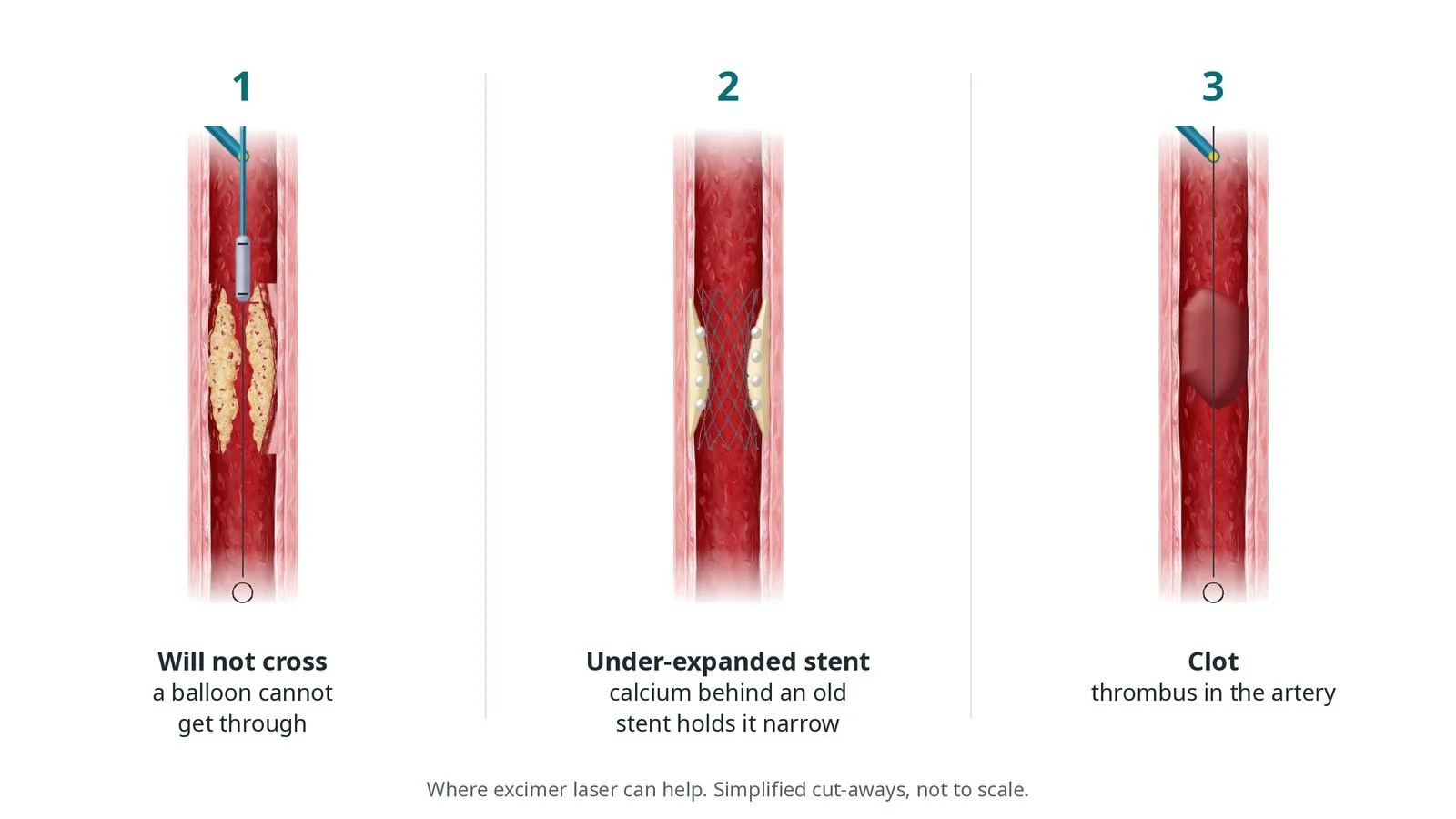
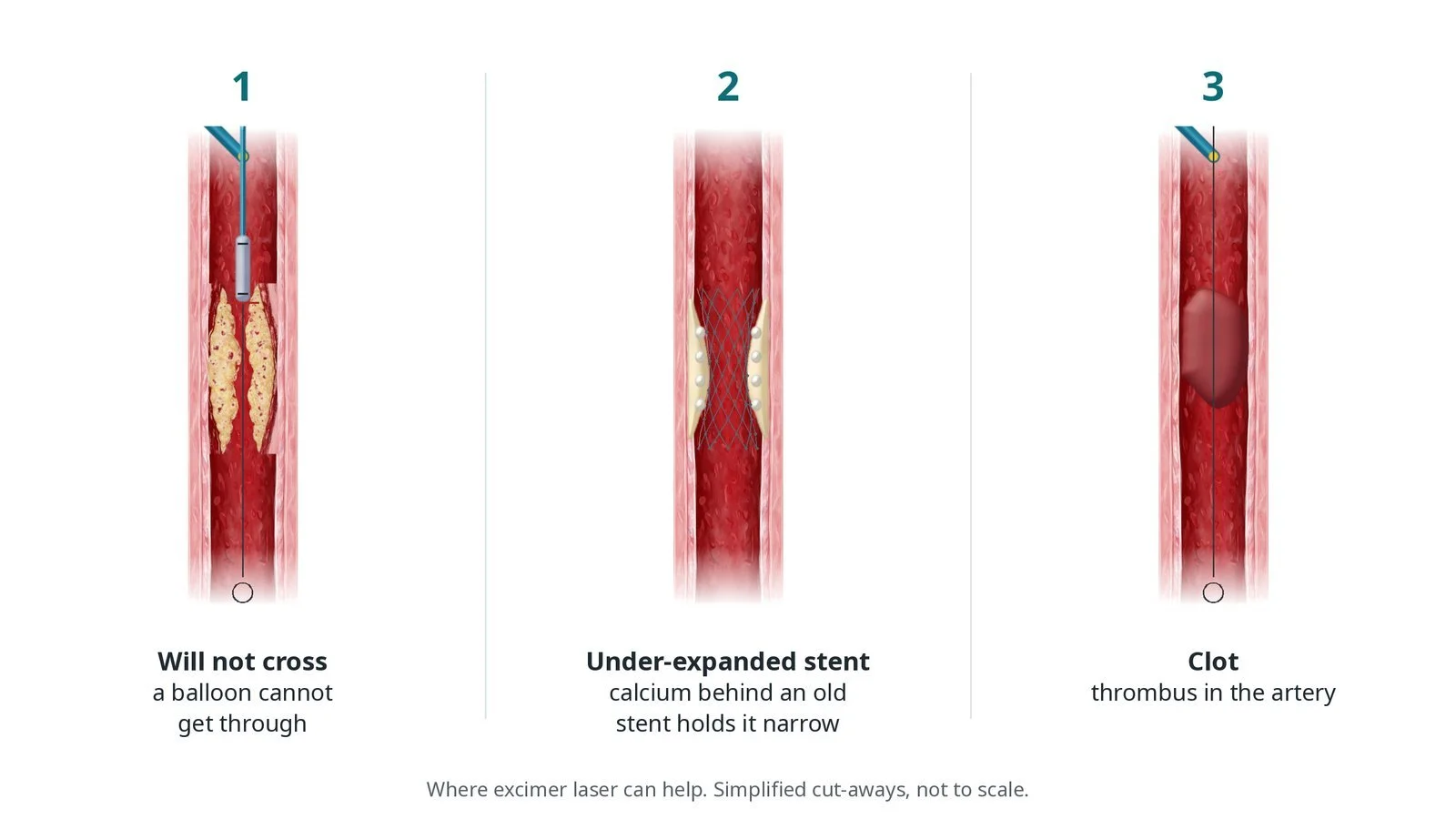
Where excimer laser can help: (1) a narrowing a balloon will not cross; (2) an old stent held narrow by calcium behind it; (3) clot in the artery.
What is excimer laser coronary atherectomy?
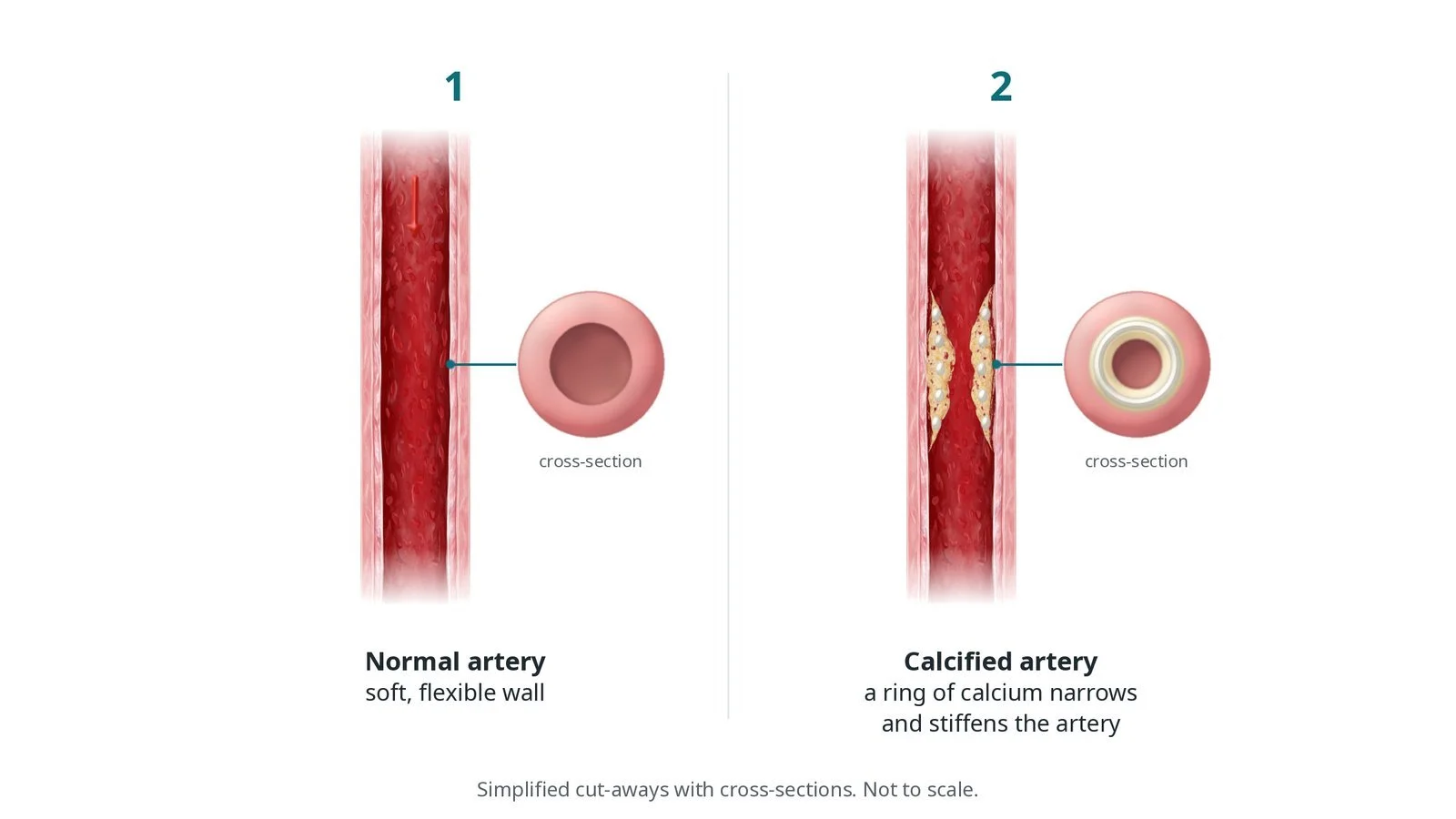
Some narrowings are too tight or too hard for even a small balloon to cross. Others sit behind an old stent that never fully expanded, often because of calcium. Heavy clot can also make PCI difficult.
The excimer laser makes ultraviolet light that is carried down fibres in a flexible catheter. Each short pulse breaks molecular bonds and vaporises a thin layer of tissue at the tip, while making small pressure waves. Advanced slowly over the wire, the catheter makes a channel or modifies the plaque.
Contrast and blood absorb laser energy and can create larger pressure waves that injure the artery. So the artery is usually flushed with saline during lasing, unless the operator plans otherwise for a specific reason. The laser is a medical laser and the room follows local laser safety rules.
New to the acronyms? See the Cath Lab Abbreviations A–Z.
Who is it for?
Common uses include:
a narrowing that a balloon or microcatheter will not cross
an old stent that is under-expanded, often with calcium behind it
heavy clot, for example in a vein graft or heart attack, per operator
some chronic total occlusions after the wire has crossed
Who it may not suit: The operator decides case by case; very tortuous arteries or arteries at high risk of perforation may suit other methods.
The decision is made by your heart team, who will talk through the reasons, the alternatives and the risks with you.
When is it done?
Usually during a planned complex PCI, sometimes decided in the lab when other devices fail. Laser safety checks, the console warm-up and calibration are done before use.
gives you a chance to ask questions and give consent
arranges blood tests, including kidney function and a blood count, and an ECG
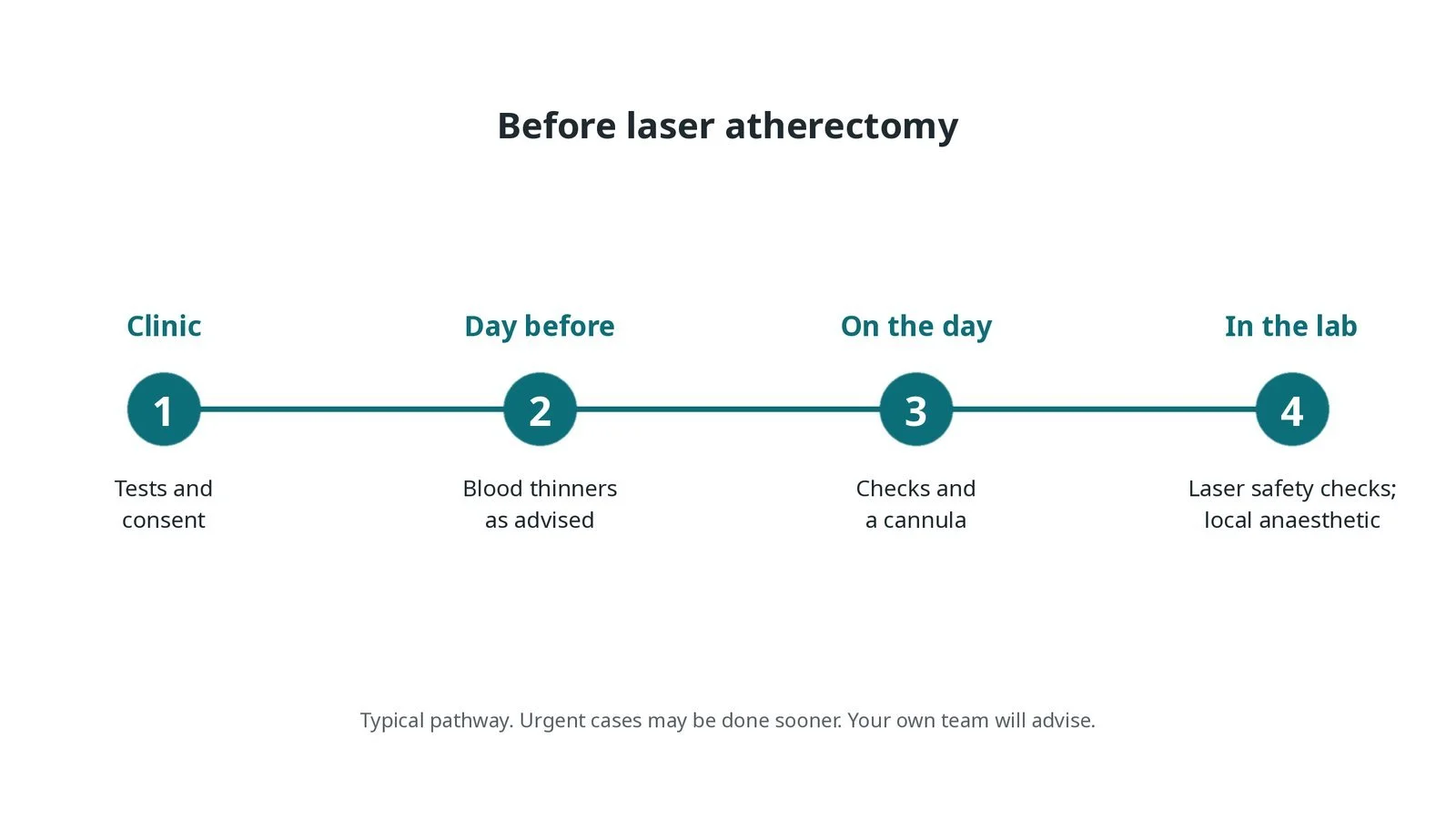
Before laser atherectomy: tests and consent; blood thinners as advised; checks and a cannula on the day; laser safety checks and local anaesthetic in the lab.
Step by step
1. Getting ready
The laser console is switched on, warmed up and calibrated as per the maker's instructions. Laser warning signs go up on the doors, and protective eyewear is worn per local rules. The patient is monitored as for PCI.
2. Access
Radial or femoral access, per operator; larger laser catheters may need a larger guide. Heparin as per centre protocol. A guidewire crosses the narrowing.
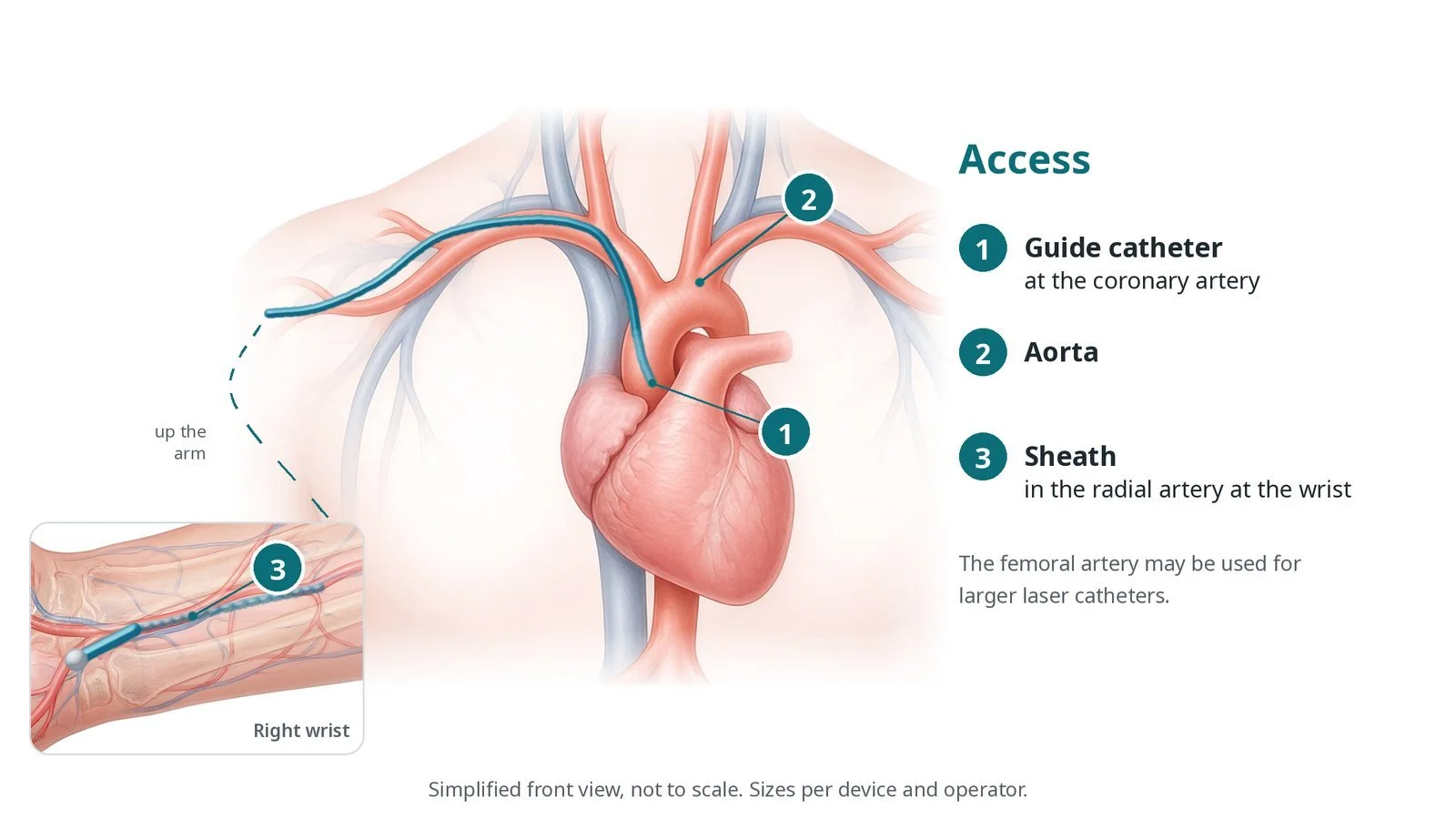
Access: (1) guide catheter at the coronary artery; (2) aorta; (3) sheath in the radial artery at the wrist. The femoral artery may be used for larger laser catheters.
3. Lasing
A. Clear the contrast. Contrast is flushed out of the guide catheter and artery with saline.
B. Laser catheter. The laser catheter is advanced over the wire to the start of the narrowing.
C. Slow lasing. While a team member gives a steady saline flush through the guide, the operator presses the foot pedal and advances the catheter slowly through the narrowing in short runs. Energy and pulse rate are per operator.
D. Balloon and stent. Once the narrowing is modified, it is treated with balloons and a stent, or the old stent is expanded further.
Watch: Contrast or blood in the artery during lasing raises the risk of a tear or perforation. Flush first, and stop if the operator calls.
4. Checking
An angiogram checks for tears, slow flow or perforation after each stage. Imaging may assess the stent. GTN may be given for spasm.
Watch: Contrast leaking outside the artery means perforation. Tell the operator at once; balloons and covered stents must be ready.
5. Finishing
The laser is put in standby and the room returns to normal use. The sheath is removed and haemostasis achieved, as per centre protocol.
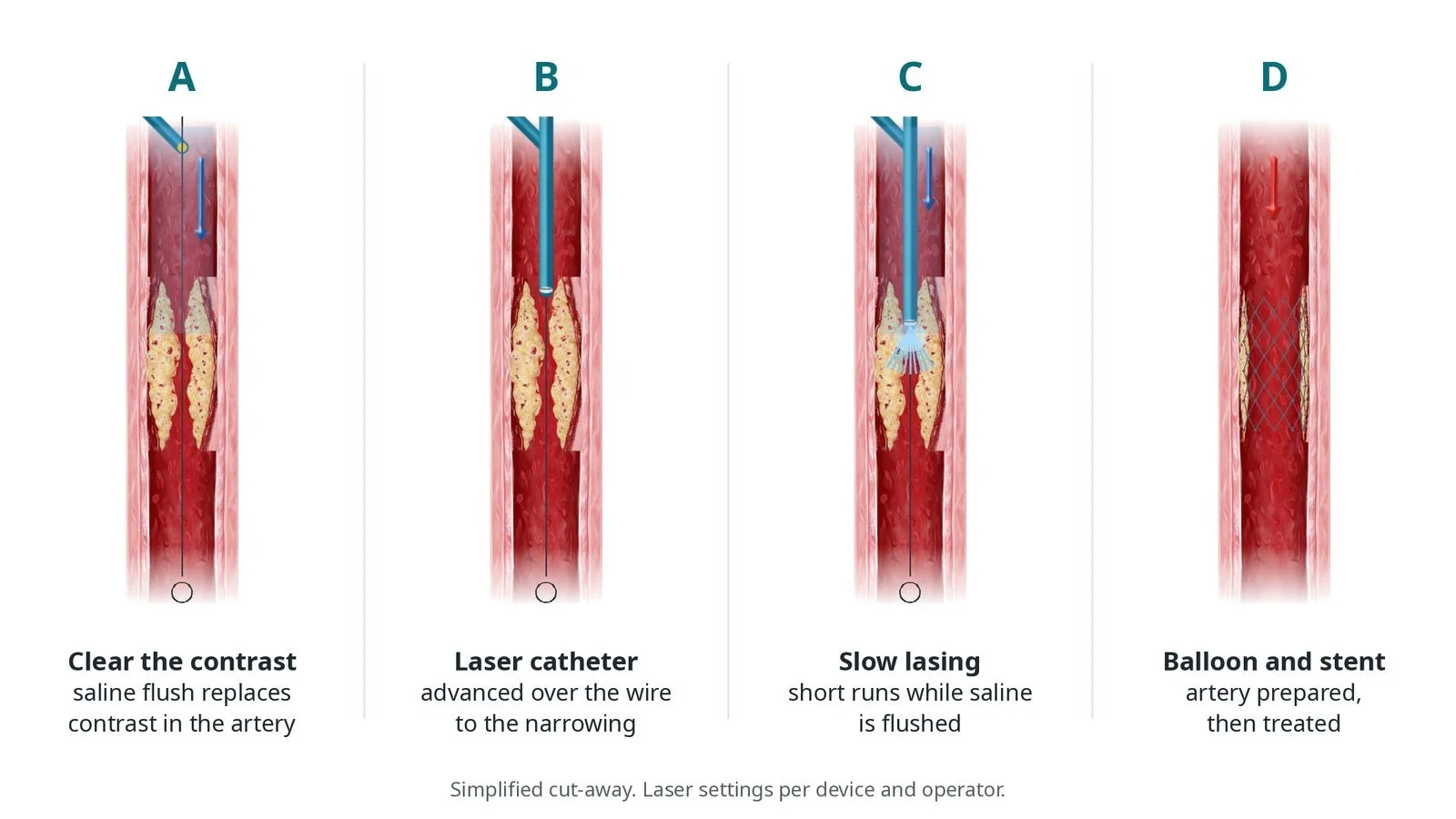
A: saline flush clears contrast from the artery. B: the laser catheter is advanced over the wire to the narrowing. C: slow, short runs of laser while saline is flushed. D: the artery is then treated with balloons and a stent.
Recovery and aftercare
First hours: wrist or groin, heart rhythm and blood pressure checks, as per centre protocol.
Going home: often the same or next day.
Medicines: take antiplatelet medicines as advised; do not stop them without asking your team.
Activity: avoid heavy lifting with the wrist or leg used for a few days.
Driving: DVLA Group 1 rules usually allow car driving about one week after a planned PCI if you are well; ask your team.
Follow-up: clinic review and cardiac rehabilitation where offered.
Call 999 if you have chest pain that does not settle, breathlessness, fainting or heavy bleeding.
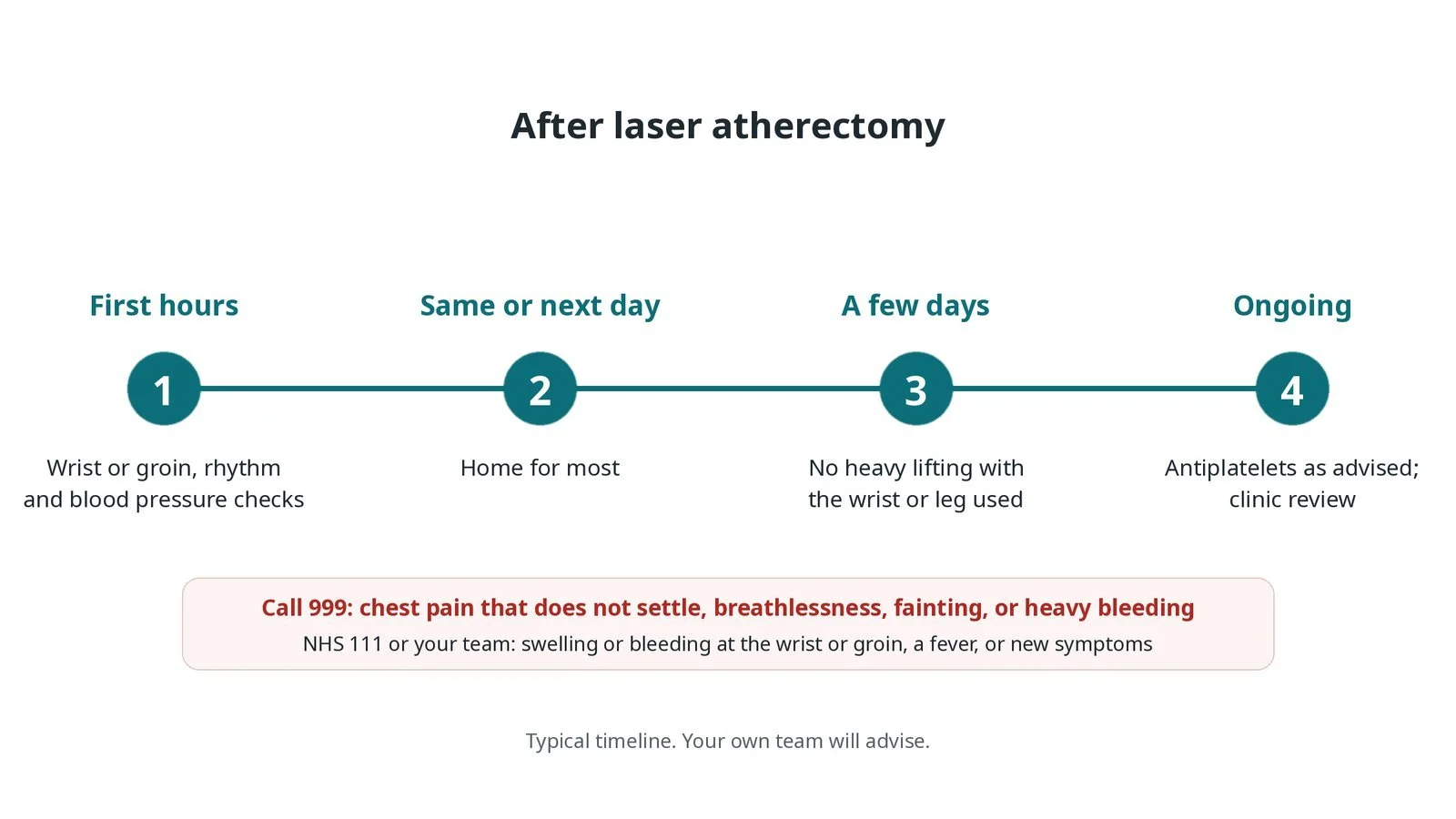
After laser atherectomy: (1) wrist or groin, rhythm and blood pressure checks; (2) home the same or next day for most; (3) no heavy lifting with the wrist or leg used for a few days; (4) antiplatelets as advised and clinic review.
Risks and complications
Your team will explain the risks that apply to you. Possible problems include:
Bleeding or bruising at the wrist or groin
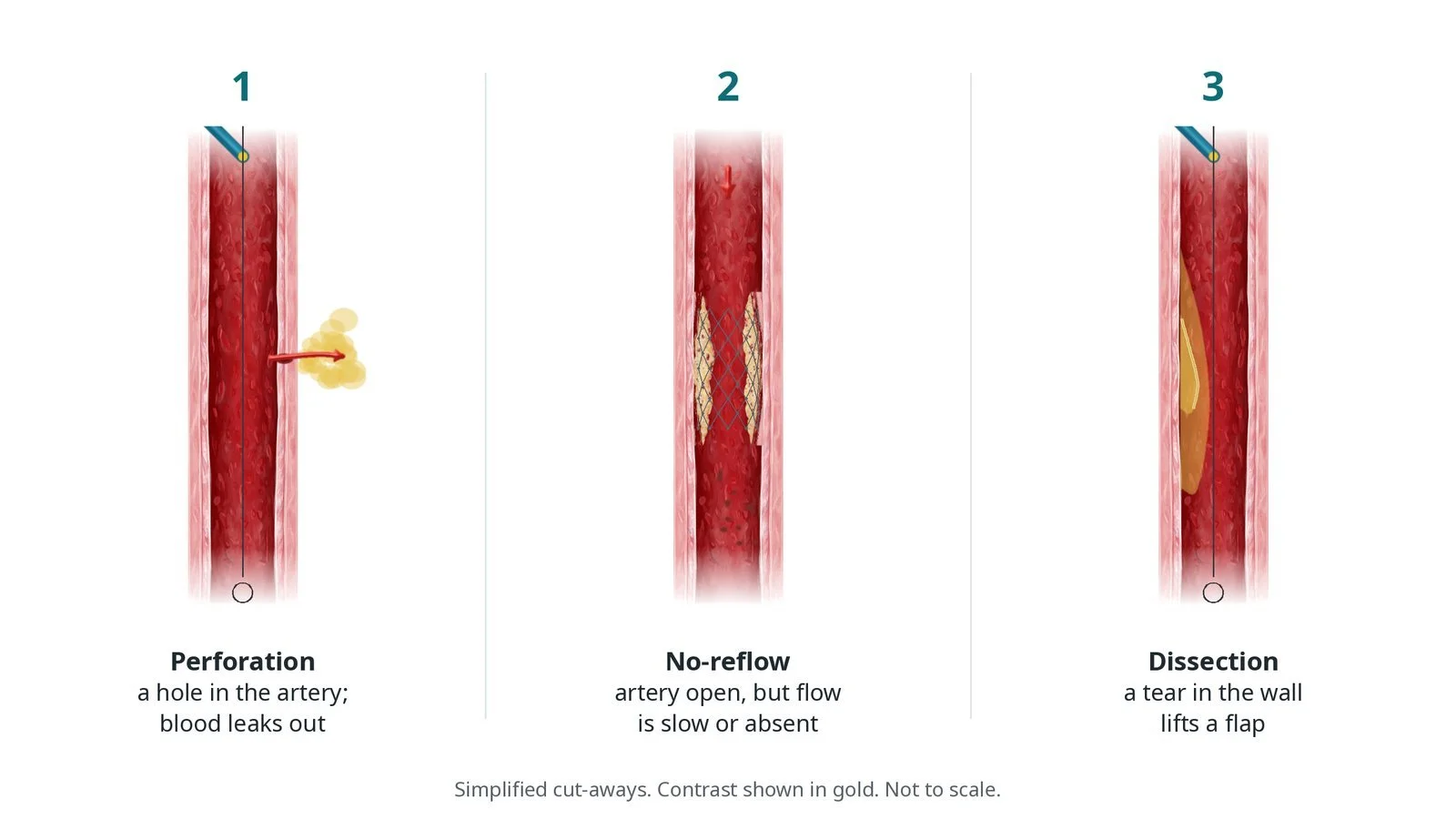
Tear (dissection) in the artery (uncommon)
Perforation of the artery (rare)
Slow flow or no-reflow (uncommon)
Spasm of the artery: Usually treated with GTN.
Kidney strain from contrast
Cath lab kit list (printable)
Barts example kit list
An example from one UK centre, written generically. Every lab has its own protocol, and sizes and doses vary.
excimer laser console, per maker
laser catheters, sizes per operator
saline flush set and large syringes
protective eyewear and laser warning signs, per local rules
radial or femoral sheath and guide catheter, size per operator
coronary guidewires
balloons, stents and an inflation device
covered stent and pericardiocentesis set available
heparin, GTN and contrast, as per centre protocol
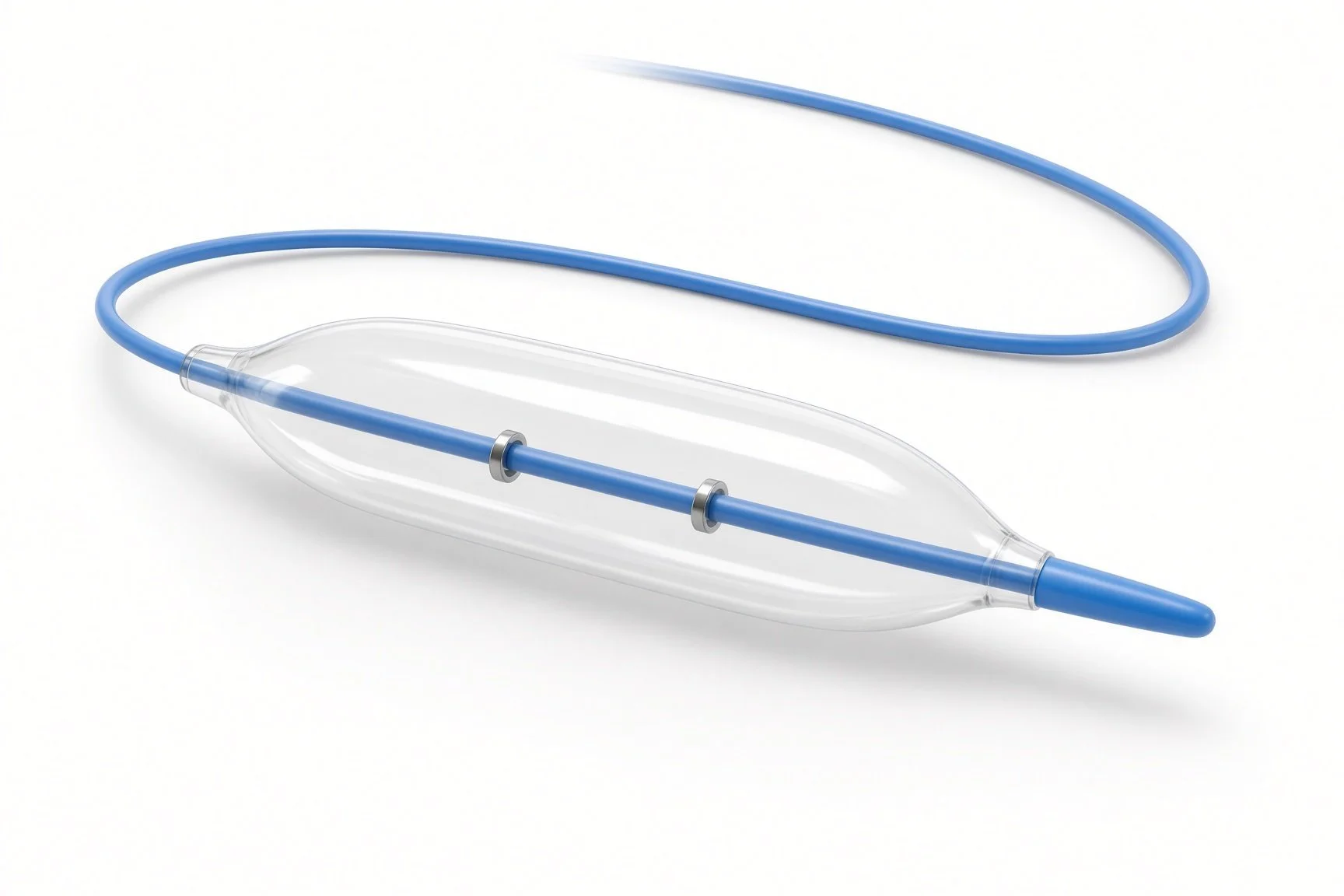
Balloons.
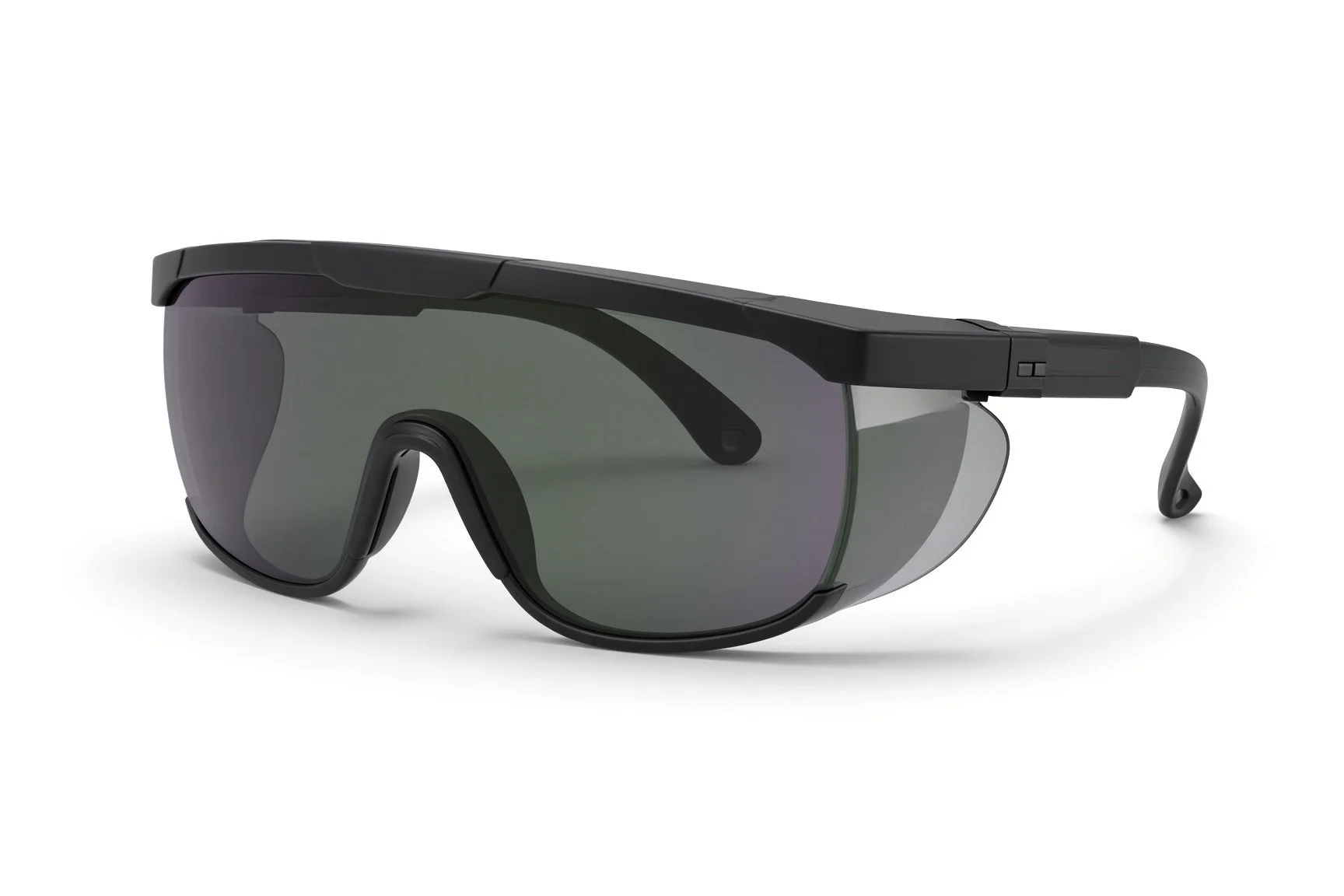
Protective eyewear per local rules.
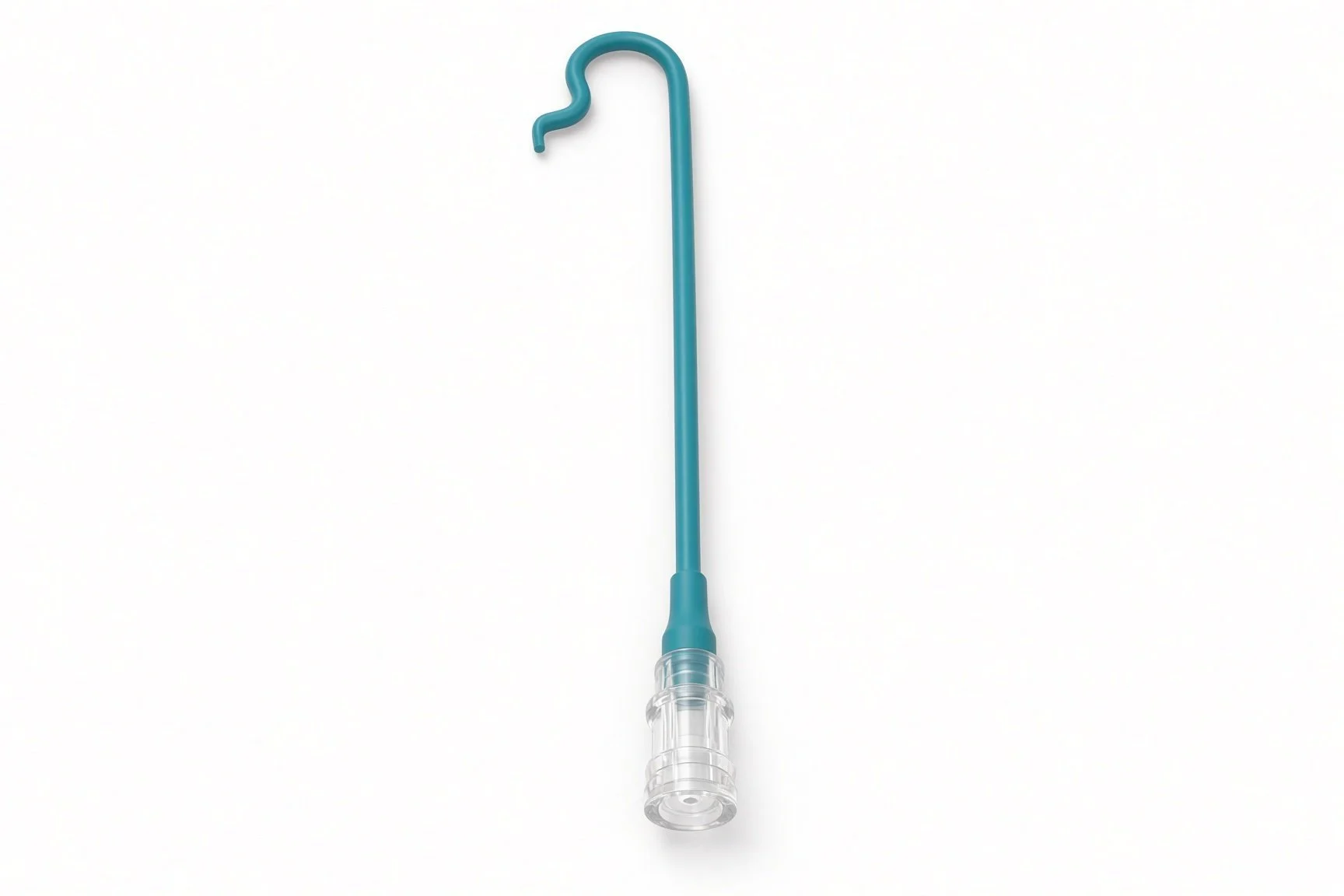
Guide catheter.
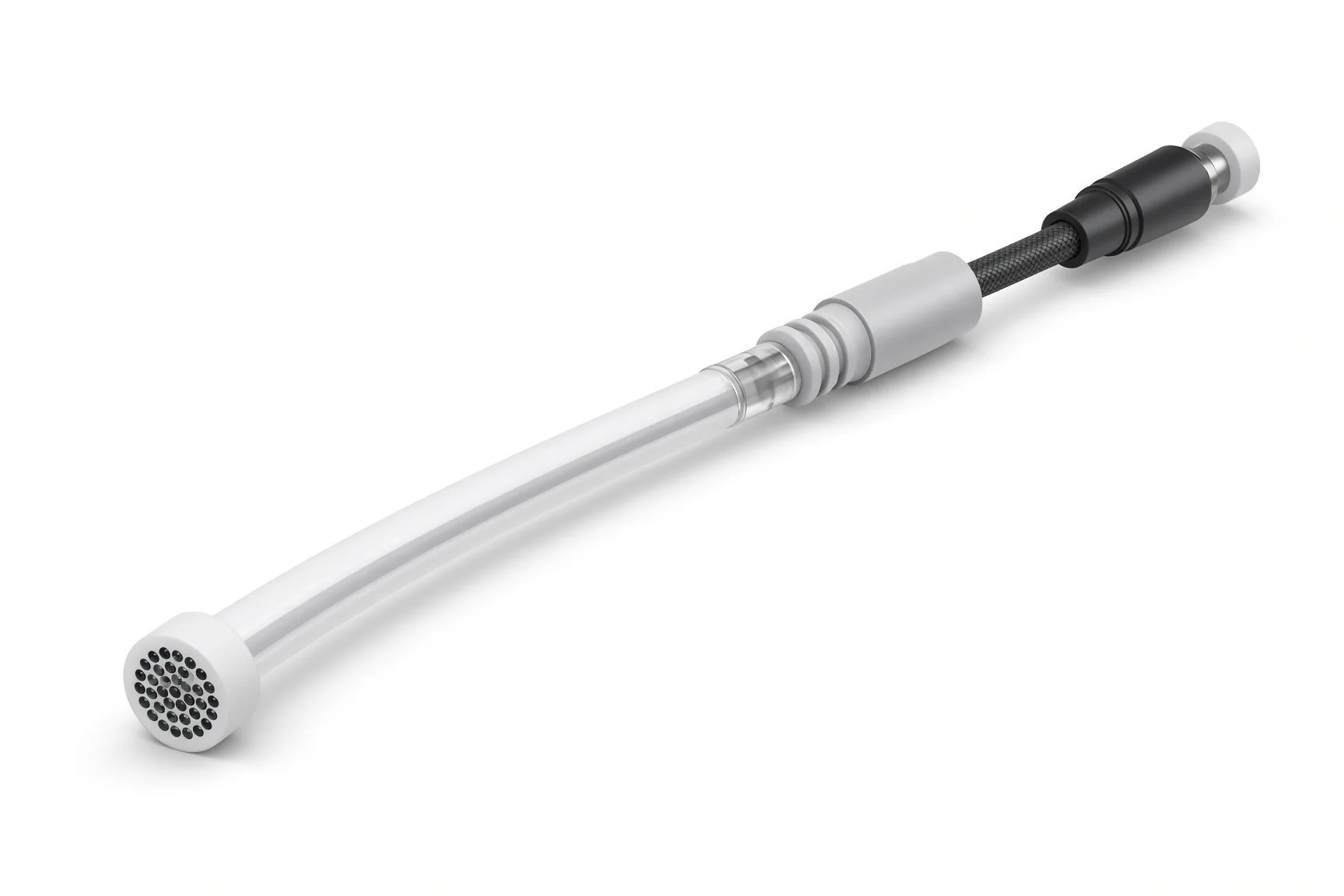
Laser catheter.
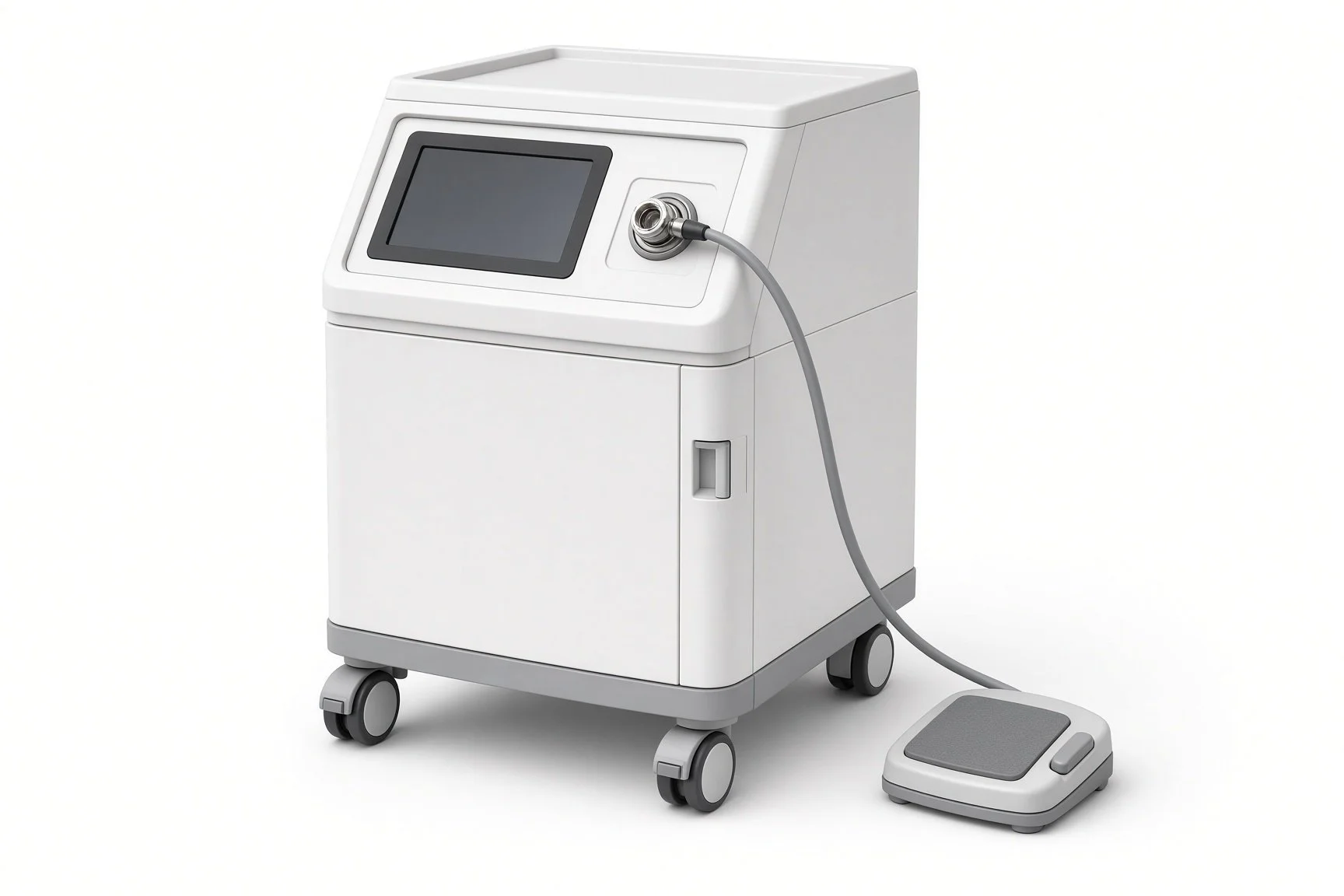
Excimer laser system.
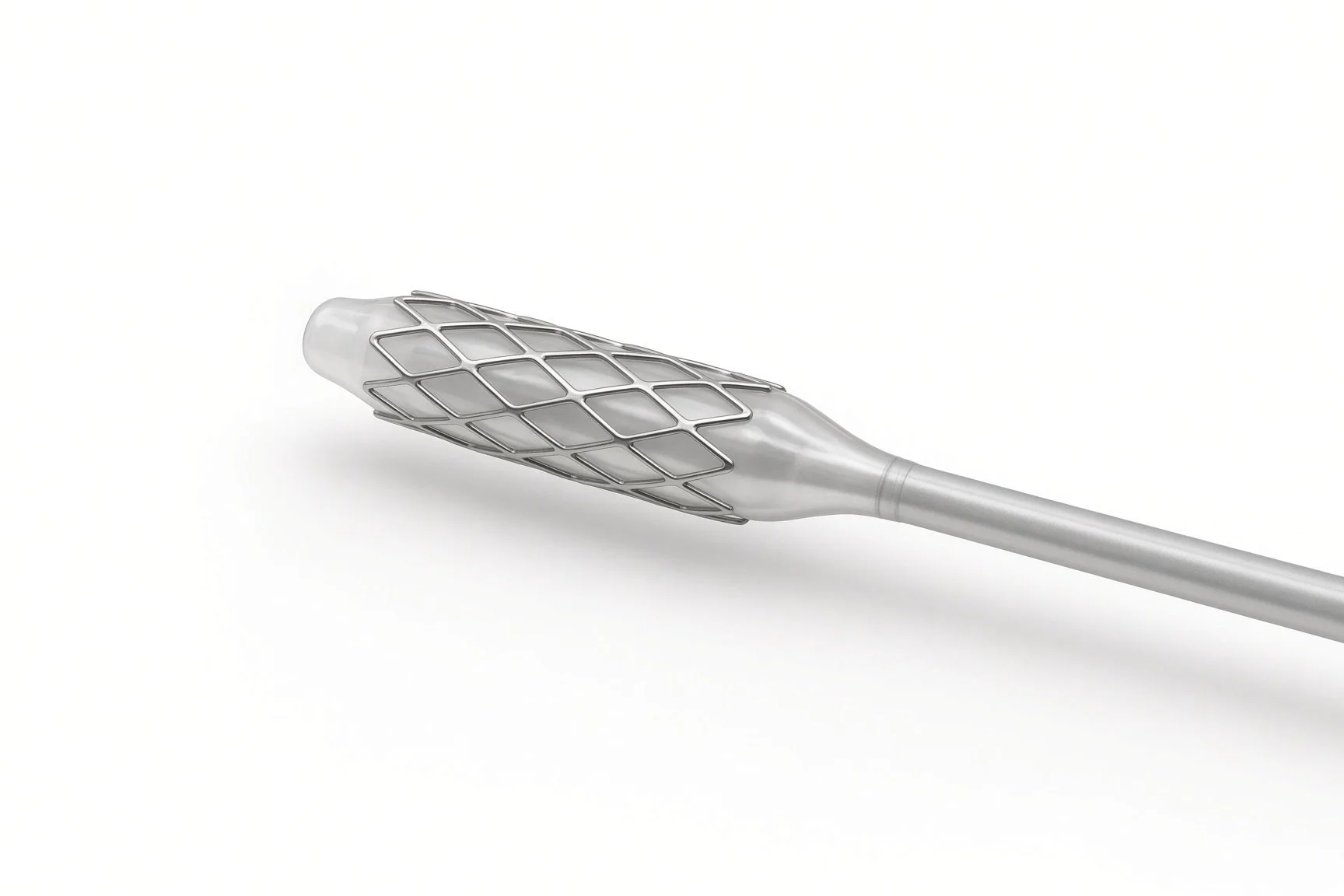
Stents.
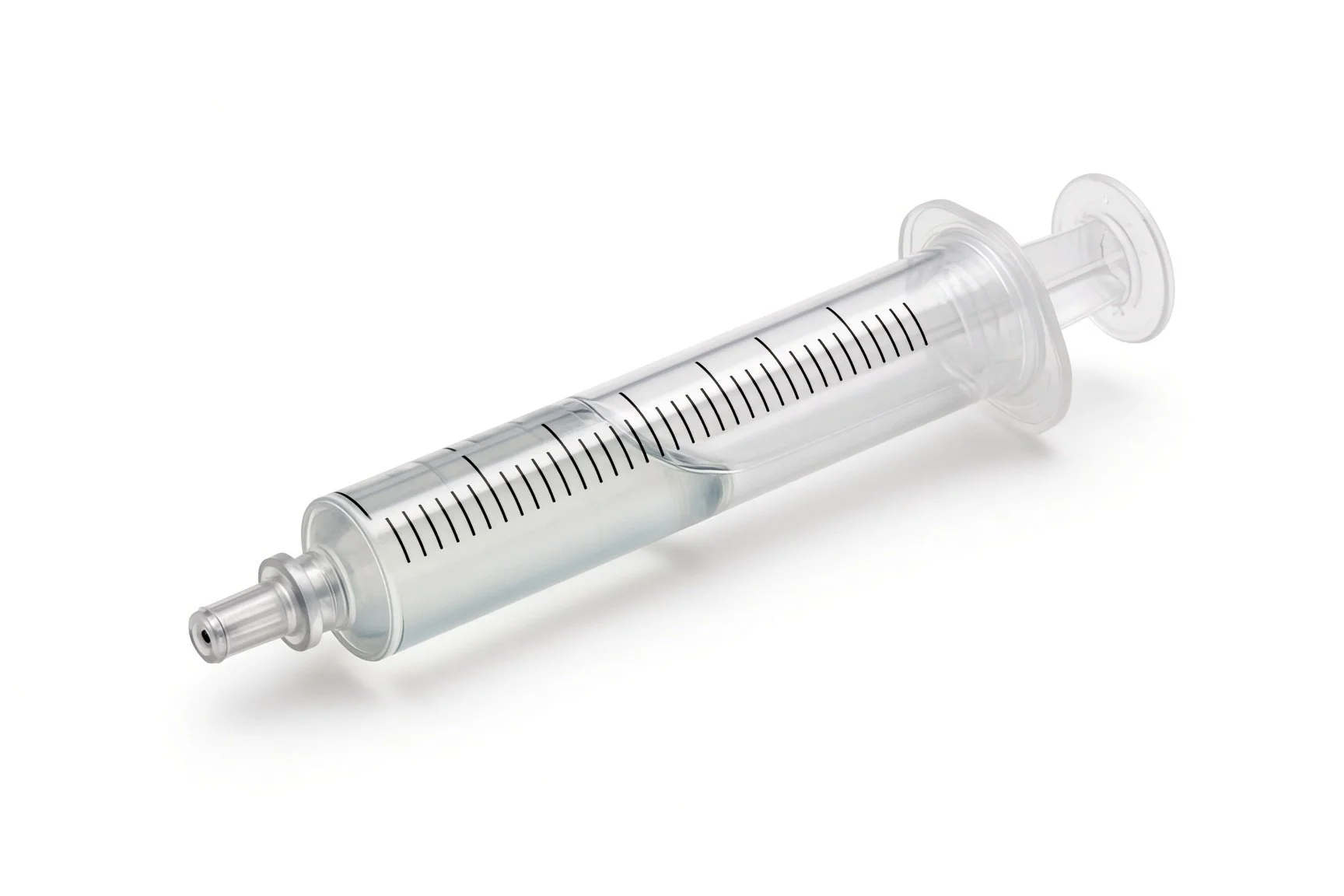
Saline flush syringes.
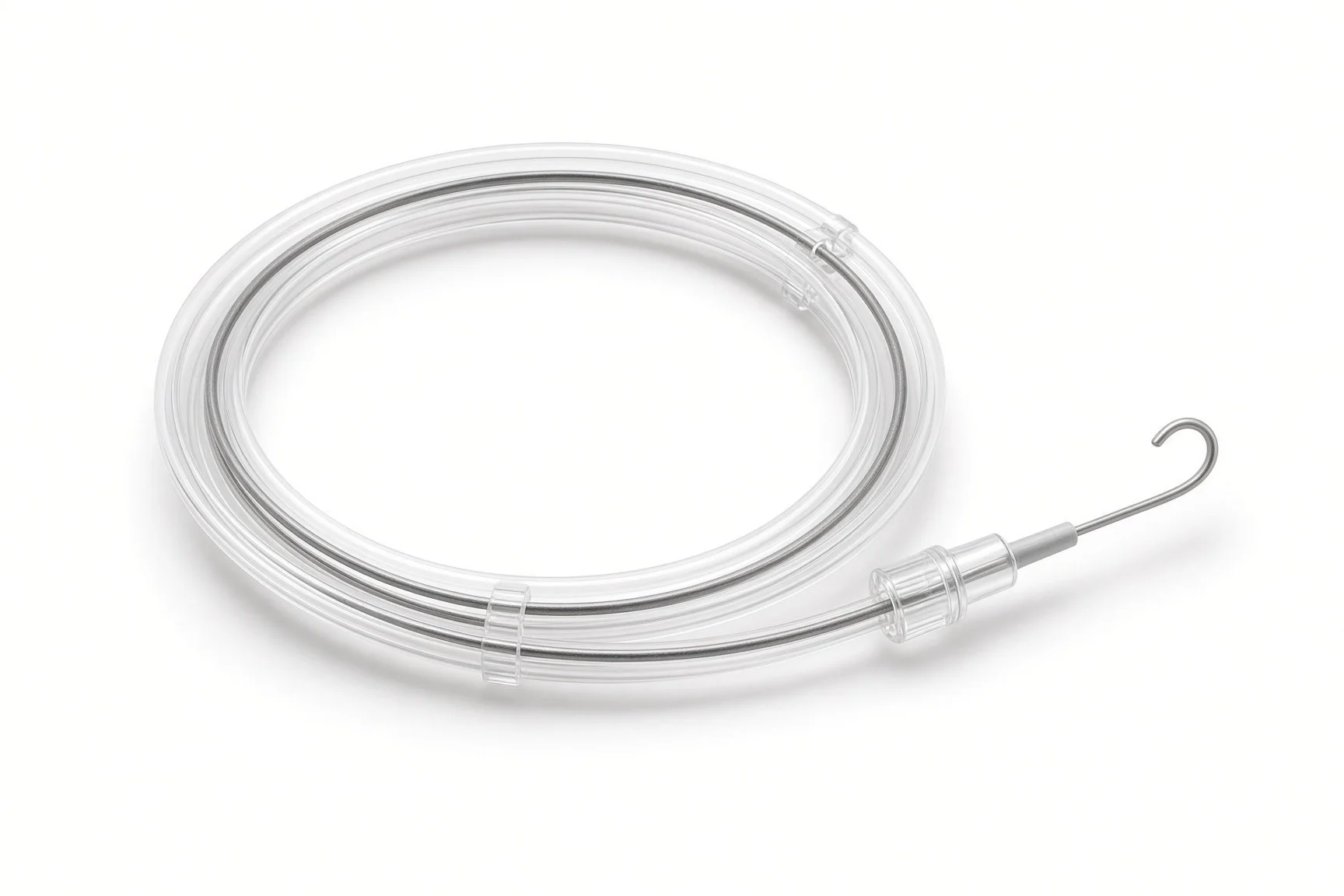
Coronary guidewire.
Procedural steps (Barts example)
Getting ready
Access
Lasing
Checking
Finishing
First time in the cath lab?
Learn the laser rules. Laser safety follows local rules: signs, eyewear and who may operate the console.
Flush before lasing. Contrast and blood should be cleared from the artery before each run, unless the operator says otherwise.
Keep the flush steady. The saline flush during lasing is your job; keep it smooth and say when you need to refill.
Expect the unexpected. Perforation and slow flow are known risks; know where the covered stents are.
Find the laser protection supervisor or local laser rules before the first case.
Give the saline flush steadily and continuously during each run, as the operator asks.
Call out when the flush syringe is nearly empty so the operator can pause.
FAQ
Will I feel the laser?
You will not feel the light. Some people feel chest discomfort, as with any PCI.
Is the laser dangerous to the team?
Laser light can harm the eyes, so local safety rules, signs and eyewear are used.
Why is saline flushed?
Contrast and blood absorb laser energy and can injure the artery, so saline clears them first.
Will I still need a stent?
Usually yes. The laser prepares the artery; a balloon and stent finish the treatment.
Related Cath Lab 101 guides
Coronary perforation, no-reflow and dissection (coming soon)
Sources
All checked on 12 November 2026. Each page's own date is shown where it gives one.
Neumann FJ, et al. 2018 ESC/EACTS Guidelines on myocardial revascularization. Eur Heart J 2019
Lawton JS, et al. 2021 ACC/AHA/SCAI Guideline for Coronary Artery Revascularization. Circulation 2022
StatPearls (NCBI Bookshelf), search: laser atherectomy. ncbi.nlm.nih.gov/books
Disclaimer
Education only. This page is for general education for healthcare students, cath lab staff and curious readers. It isn't medical advice and doesn't replace advice from your own doctor, heart team or local unit protocols. Equipment and medicines are described generically. No product or manufacturer is recommended. If you think someone is having a heart emergency, call 999.
Disclosure: I work in the medical device industry. This page is independent education and isn't sponsored or reviewed by any company.
All diagrams on this page are original illustrations created for rodnieoro.com.