Leadless pacemaker implant: a Cath Lab 101 guide
Reviewed by Rodnie Oro, cath lab charge nurse · Last reviewed: November 2026 · Education only, not medical advice
Leadless pacemaker implant in one minute
What it is: A leadless pacemaker is a capsule about the size of a large vitamin pill that contains the battery, electronics and electrode. It is passed through a large tube from the femoral vein in the groin and fixed to the wall of the right ventricle. Newer dual-chamber systems add a second capsule in the right atrium.
Who it is for: People who need a pacemaker and for whom a standard system is less suitable: for example a higher infection risk, people on dialysis, those with blocked or no usable veins in the upper chest, or after a device infection.
Main risks: Bleeding or damage at the groin, a hole in the heart wall causing bleeding around the heart (tamponade), the capsule moving, and rhythm problems. Your team will explain your own risk.
Usually: Under local anaesthetic with sedation, about 1 hour, often home the next day.
On this page: What is leadless pacemaker implant? · Who is it for? · When is it done? · Step by step · Recovery · Risks · Kit list · First time in the lab? · FAQ
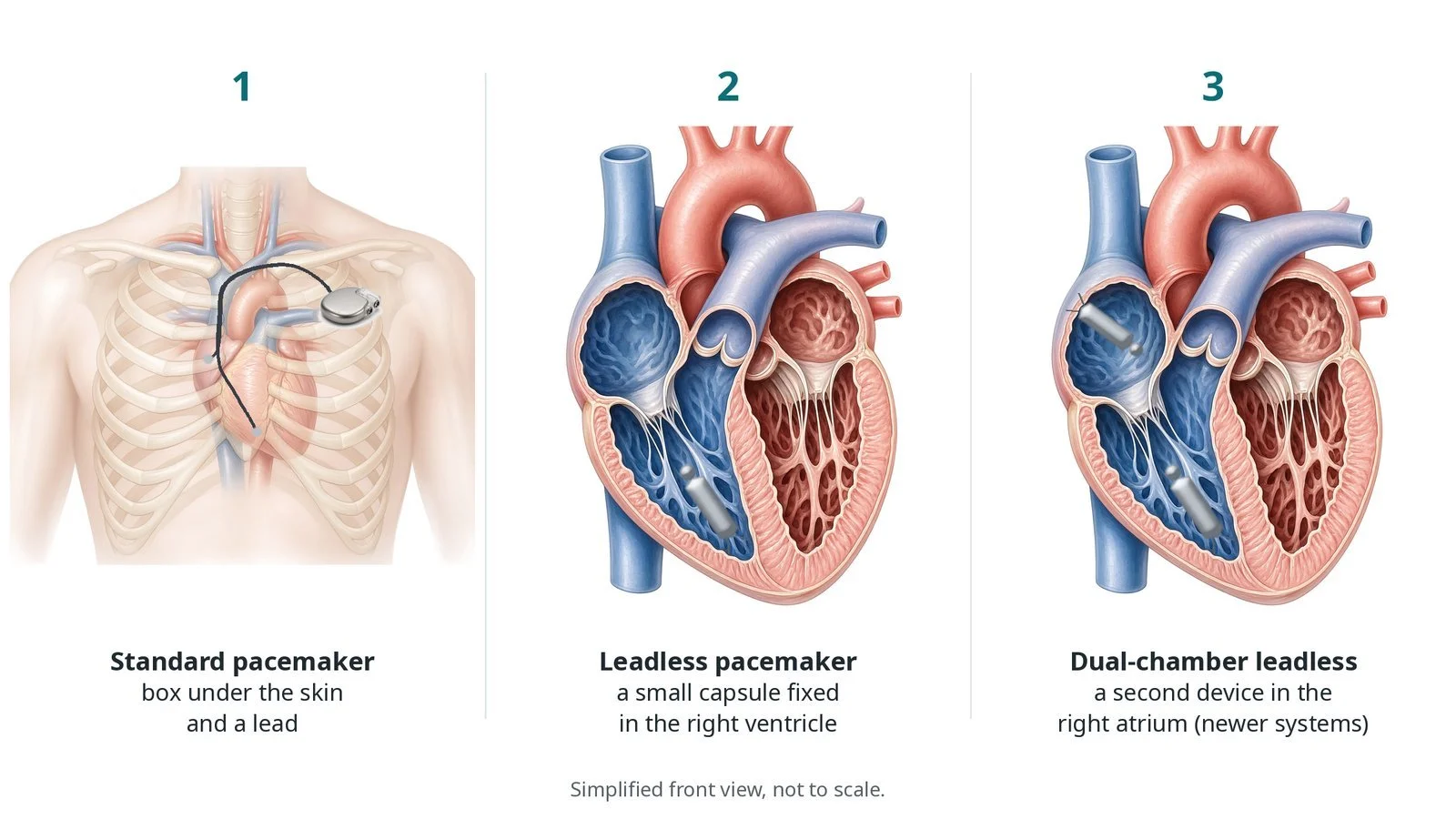
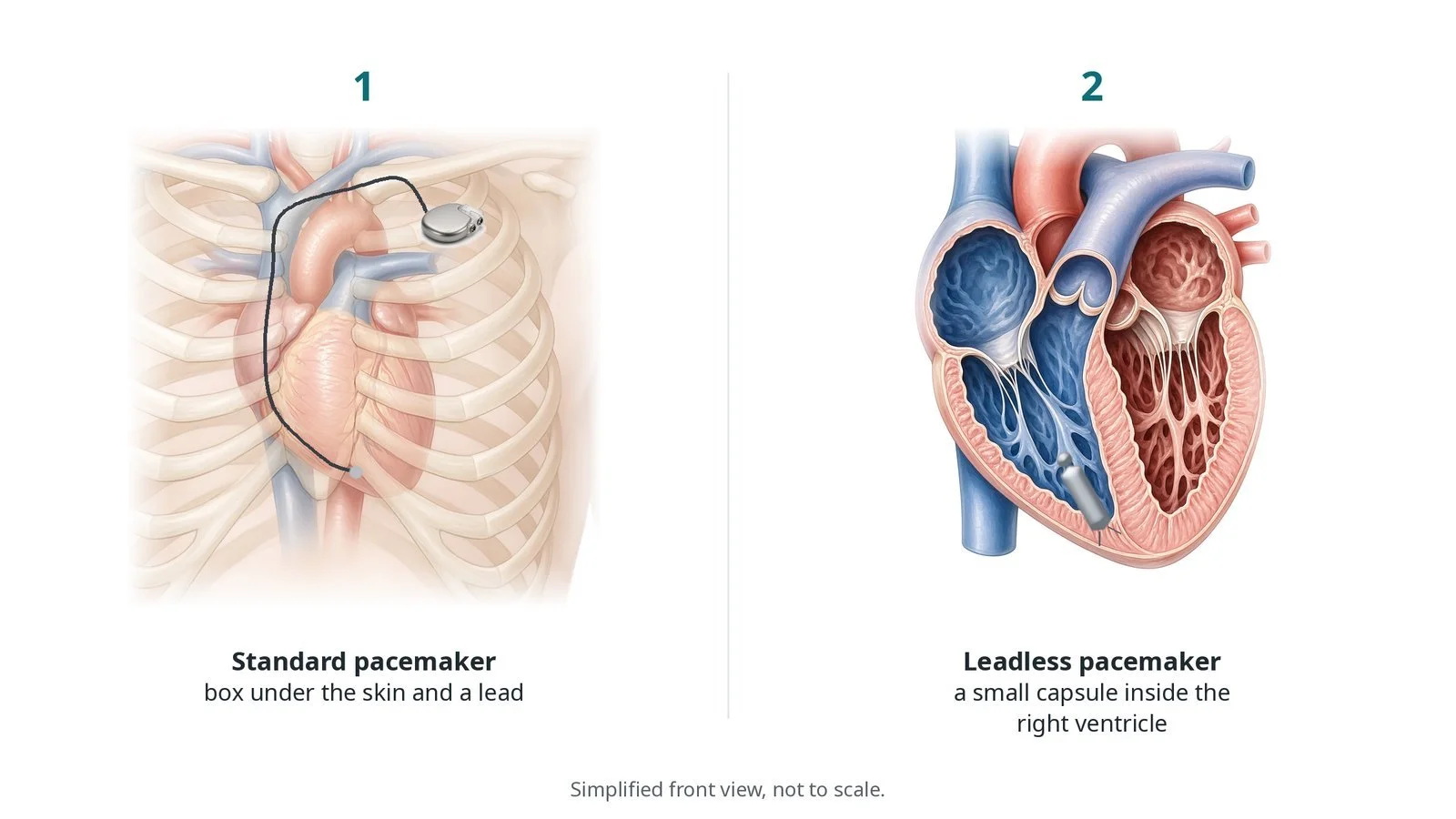
(1) Standard pacemaker: box under the skin and a lead. (2) Leadless pacemaker: a small capsule fixed in the right ventricle. (3) Dual-chamber leadless: a second device in the right atrium (newer systems).
What is leadless pacemaker implant?
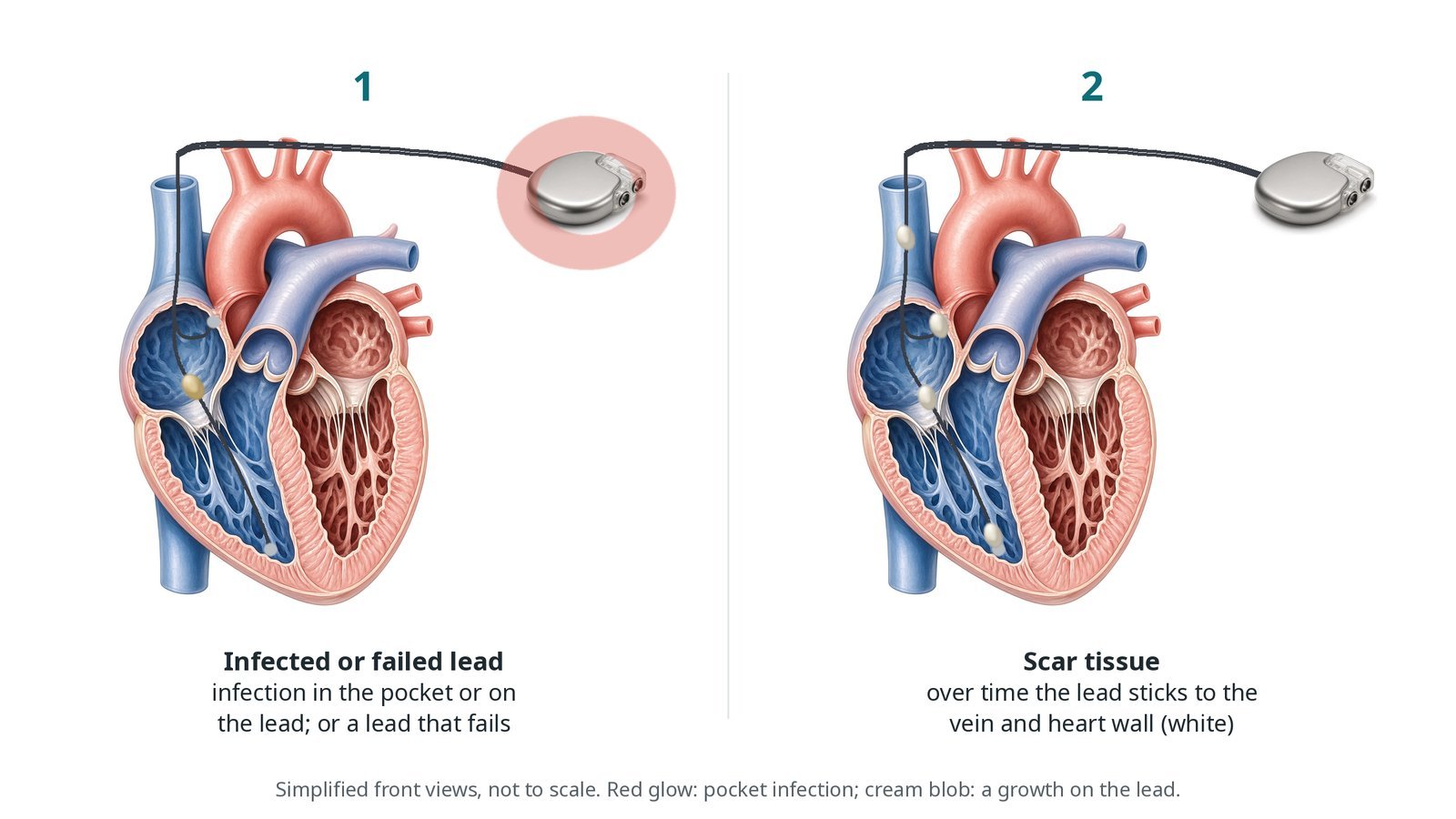
A standard pacemaker has a box under the skin and leads through the veins of the upper chest. Problems with the pocket and the leads, such as infection, fracture or vein blockage, cause many device complications.
A leadless pacemaker avoids both. The capsule is delivered from the femoral vein, up the inferior vena cava into the right atrium, across the tricuspid valve and into the right ventricle. It is fixed to the septal wall by small tines or a helix, depending on the device.
Most leadless pacemakers pace and sense the right ventricle only. Some can also sense the atria with a motion sensor, and newer dual-chamber systems add a separate capsule in the right atrium that communicates with the ventricular one.
The delivery catheter is large, and the right ventricular wall can be thin, especially in older, smaller women. Pressing too hard at the apex can make a hole. Many operators aim at the septum to lower this risk.
New to the acronyms? See the Cath Lab Abbreviations A–Z.
Who is it for?
Decided by the device team, using ESC guidance. It is often considered for:
slow heart rhythms needing mainly ventricular pacing, for example in permanent AF
people with a high infection risk, on dialysis, or after a previous device infection
no usable veins in the upper chest, or reasons to avoid a chest wound
selected people who need atrial and ventricular pacing, with dual-chamber systems where available
Who it may not suit: People who need a defibrillator or CRT, very small veins or an IVC filter in the way, or a very small right ventricle may need another option.
The decision is made by your heart team, who will talk through the reasons, the alternatives and the risks with you.
When is it done?
A planned procedure.
Before it you usually have:
an ECG and echo, and blood tests including kidney function and blood count
a check of the groin veins, sometimes with ultrasound
a review of blood thinners, as per centre protocol
gives you a chance to ask questions and give consent
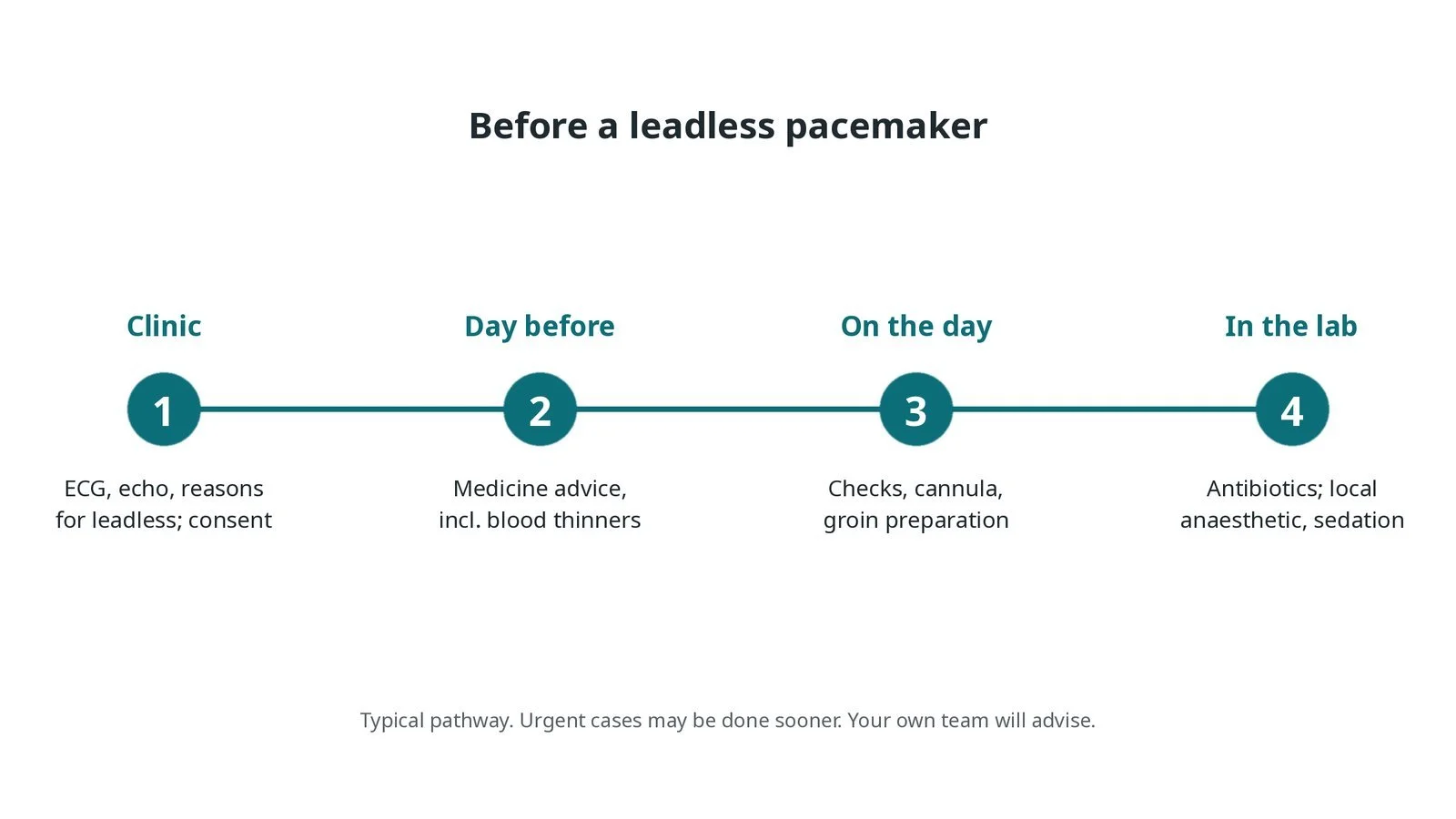
Before a leadless pacemaker: ECG, echo, reasons for leadless and consent; medicine advice; checks, cannula and groin preparation; antibiotics, local anaesthetic and sedation.
Step by step
1. Getting ready
You lie on the X-ray table with ECG, blood pressure and oxygen monitoring, and defibrillator pads on. Antibiotics are given as per centre protocol. The groin is cleaned and numbed, and sedation is given as needed.
2. Access
The femoral vein is punctured under ultrasound. The track is gently widened with dilators and a large sheath is placed. Heparin is given as per centre protocol.
Watch: Bleeding or a swelling at the groin around the large sheath: apply pressure and tell the operator.
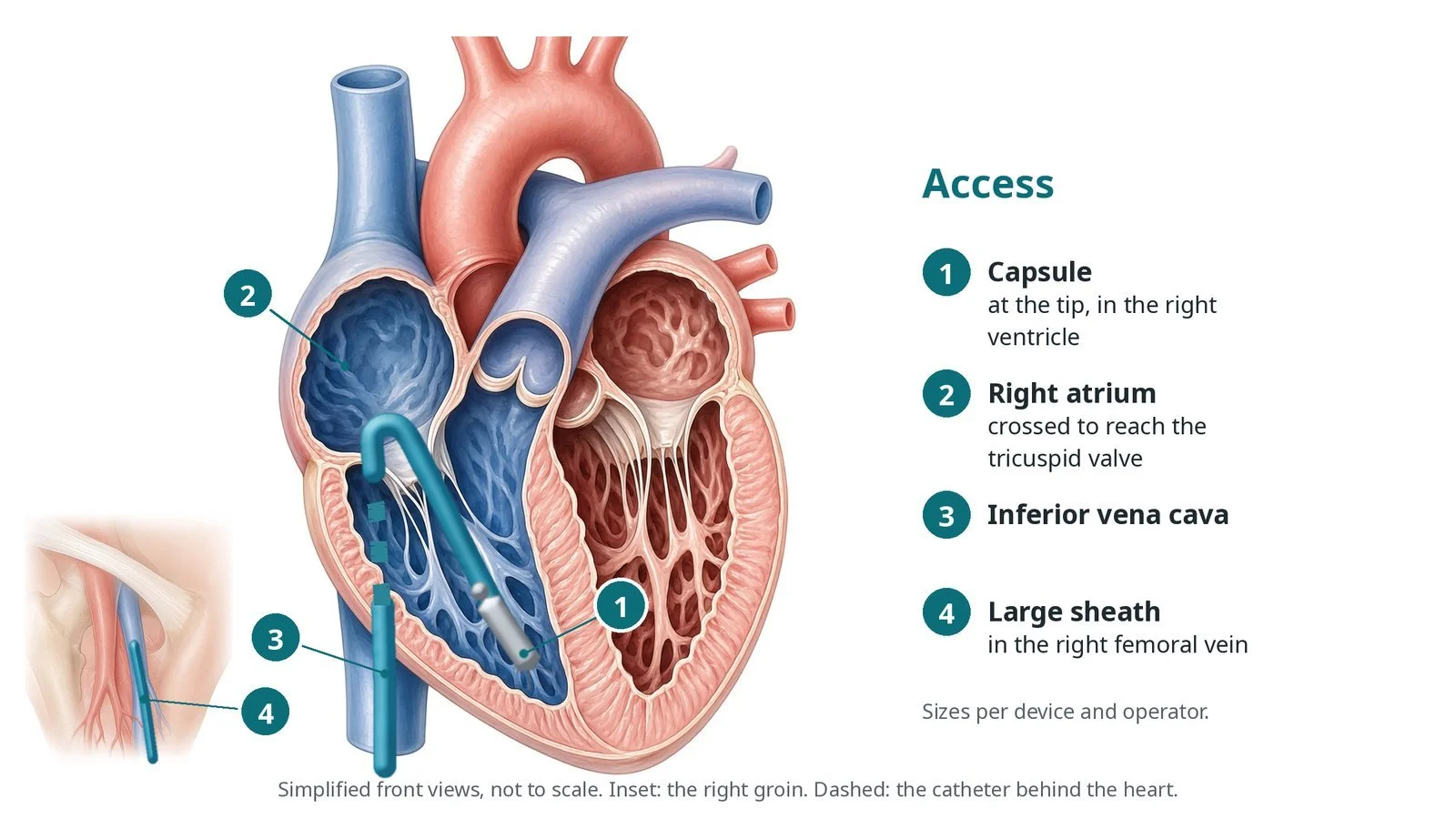
Access: (1) capsule at the tip of the delivery catheter in the right ventricle; (2) right atrium; (3) inferior vena cava; (4) large sheath in the right femoral vein.
3. Placing the capsule
A. Advance. The delivery catheter, carrying the capsule in its cup, is steered up into the right atrium, across the tricuspid valve and into the right ventricle, aiming at the septum. Contrast helps show the position.
B. Deploy. The capsule is pushed against the heart wall and its fixation tines or helix engage.
C. Tug test. A gentle pull is given under X-ray to check the fixation holds. Pacing threshold, sensing and impedance are measured.
D. Release. If the numbers are good, the tether is cut and the delivery catheter is withdrawn. If not, the capsule is pulled back and repositioned.
Watch: A falling blood pressure, rising heart rate or a new effusion on echo can mean perforation and tamponade. Tell the operator at once; echo and pericardiocentesis may be needed.
4. Dual-chamber systems
Where a dual-chamber system is used, a second capsule is placed in the right atrium in the same way, and the two devices are checked to make sure they talk to each other.
5. Closing the groin
The sheath is removed and the groin is closed with a figure-of-eight stitch, a closure device or pressure, as per operator. You stay in bed for a few hours.
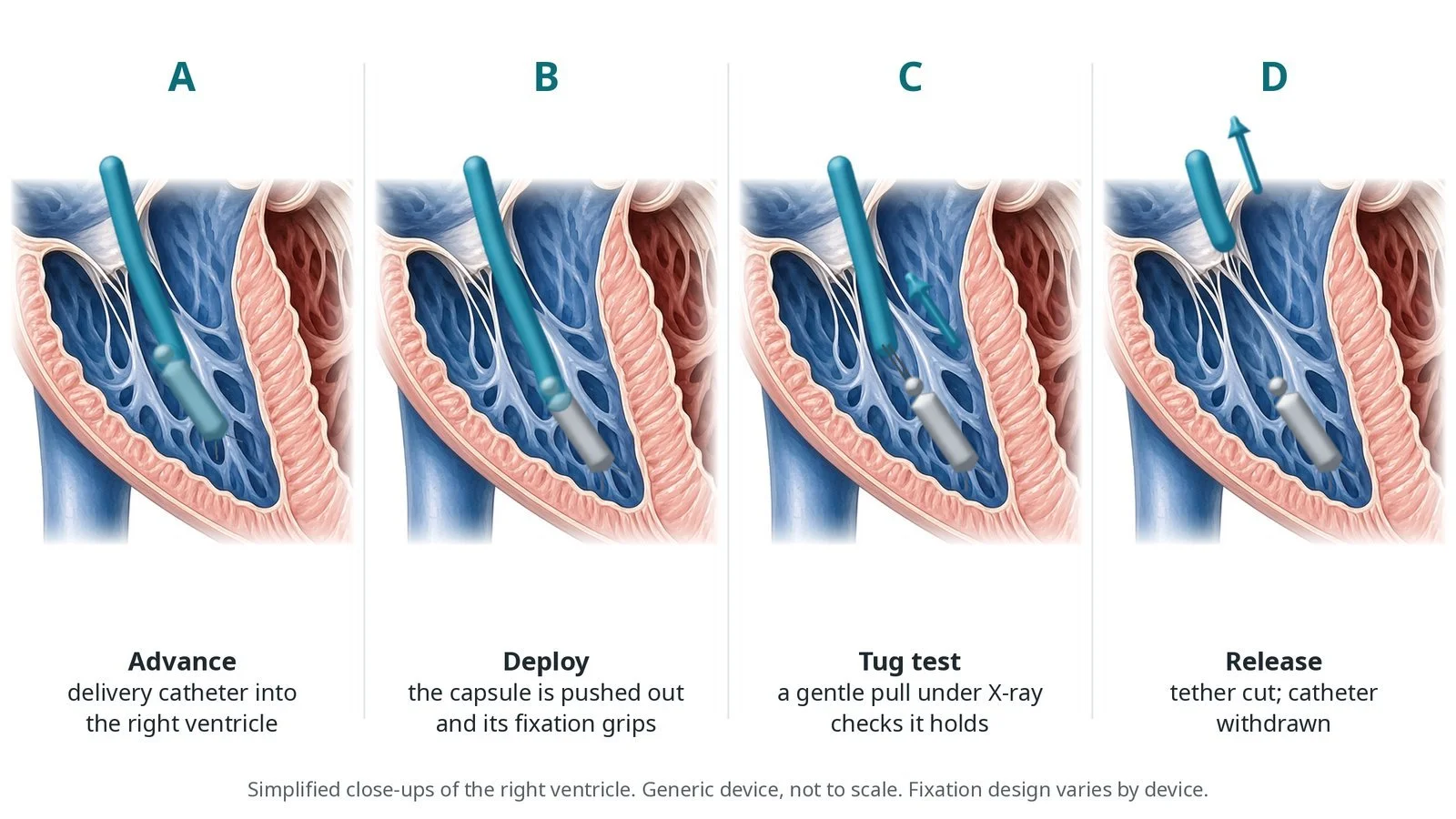
A: the delivery catheter is advanced into the right ventricle. B: the capsule is pushed out and its fixation grips the wall. C: a gentle tug test under X-ray checks it holds. D: the tether is cut and the catheter withdrawn.
Recovery and aftercare
First hours: bed rest with checks of the groin, leg, blood pressure and heart rhythm, as per centre protocol.
Going home: often the next day after a device check, ECG and sometimes an echo.
Groin: keep it clean and dry; any stitch is usually removed after a day or as advised; avoid heavy lifting for about a week.
Arm: no arm restrictions, as there is no chest wound.
Driving: DVLA rules for a pacemaker usually mean no driving for at least a week; different rules apply for bus and lorry licences.
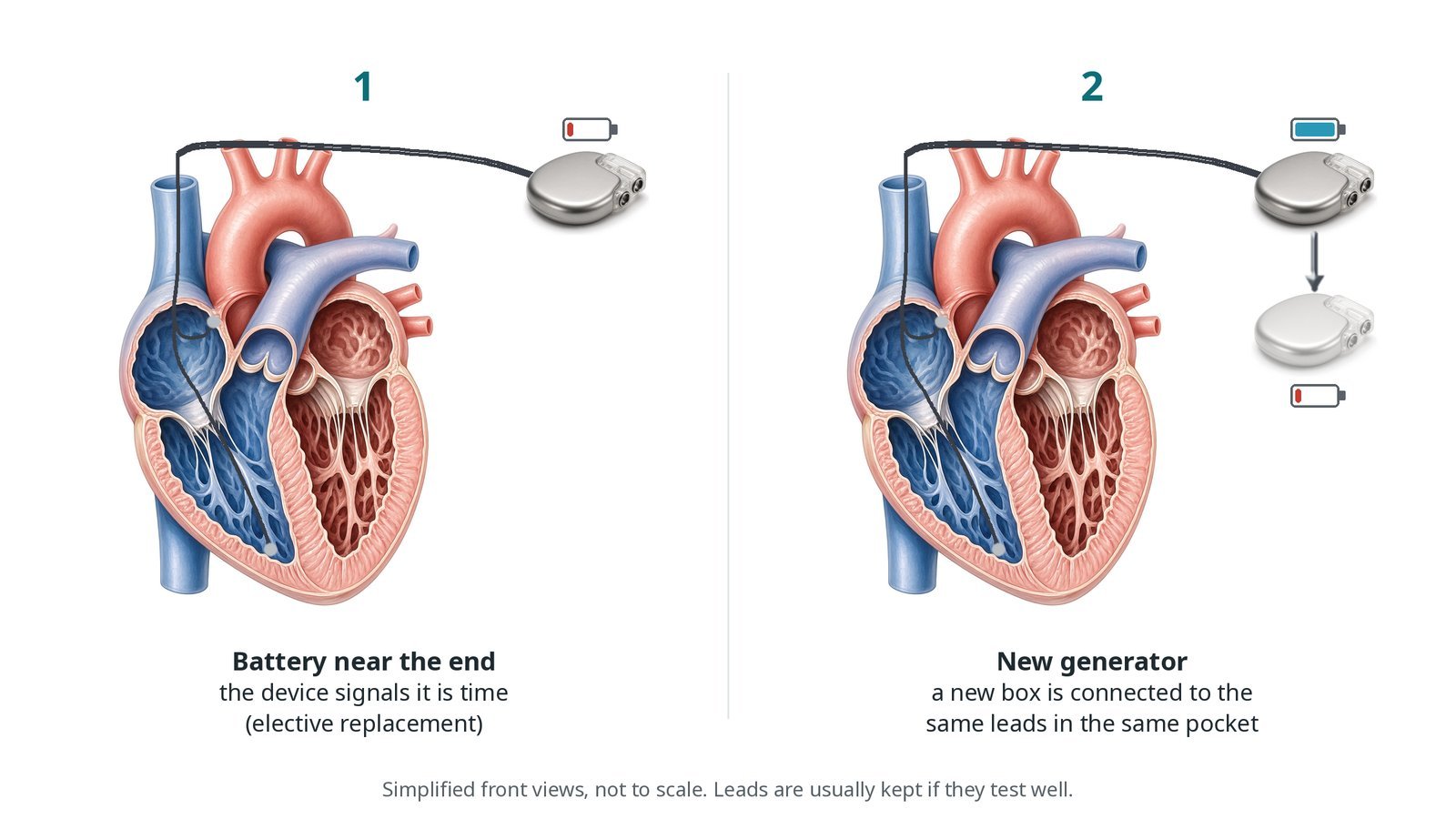
Follow-up: device clinic and remote checks. The battery lasts many years; a new capsule can be added later if needed.
Call 999 if you have chest pain, sudden breathlessness, fainting, or heavy bleeding from the groin.
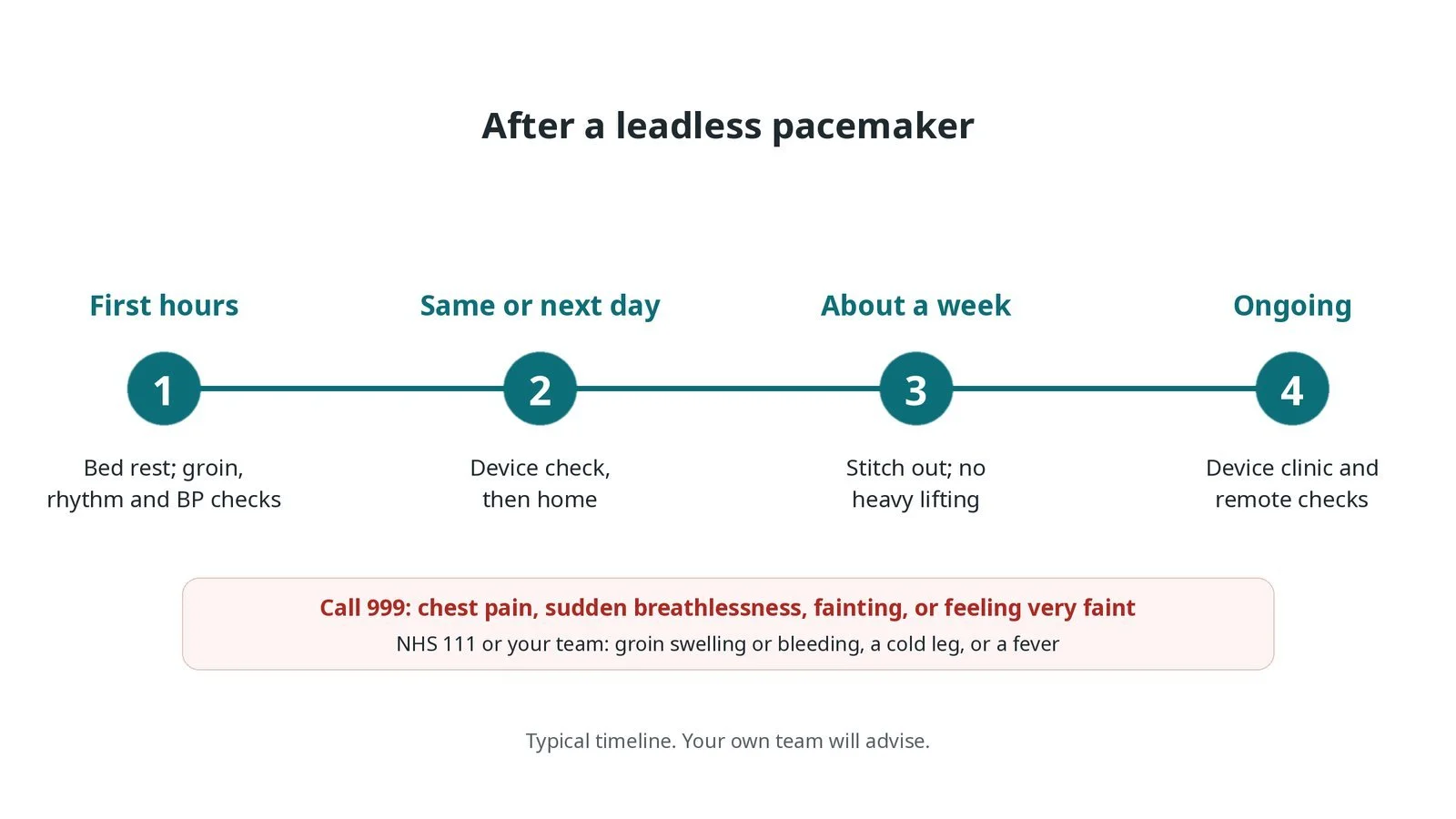
After a leadless pacemaker: (1) bed rest with groin, rhythm and blood pressure checks; (2) device check, then home the same or next day; (3) stitch out and no heavy lifting for about a week; (4) device clinic and remote checks.
Risks and complications
Your team will explain the risks that apply to you. Possible problems include:
Bleeding, bruising or damage to the vein at the groin
A hole in the heart wall with bleeding around the heart (tamponade) (uncommon): May need a drain or, rarely, surgery.
The capsule moving out of place (rare)
Rhythm problems during the procedure
Blood clot in the leg vein (rare)
Infection (rare)
Cath lab kit list (printable)
Barts example kit list
An example from one UK centre, written generically. Every lab has its own protocol, and sizes and doses vary.
large-bore femoral venous sheath and dilators, size per device
leadless pacemaker system: delivery catheter with capsule
stiff guidewire and contrast
pigtail catheter or contrast injections to show the right ventricle, per operator
pacing system analyser and programmer
ultrasound for access
heparin, as per centre protocol
figure-of-eight stitch or closure device, per operator
echo, pericardiocentesis kit and defibrillator ready
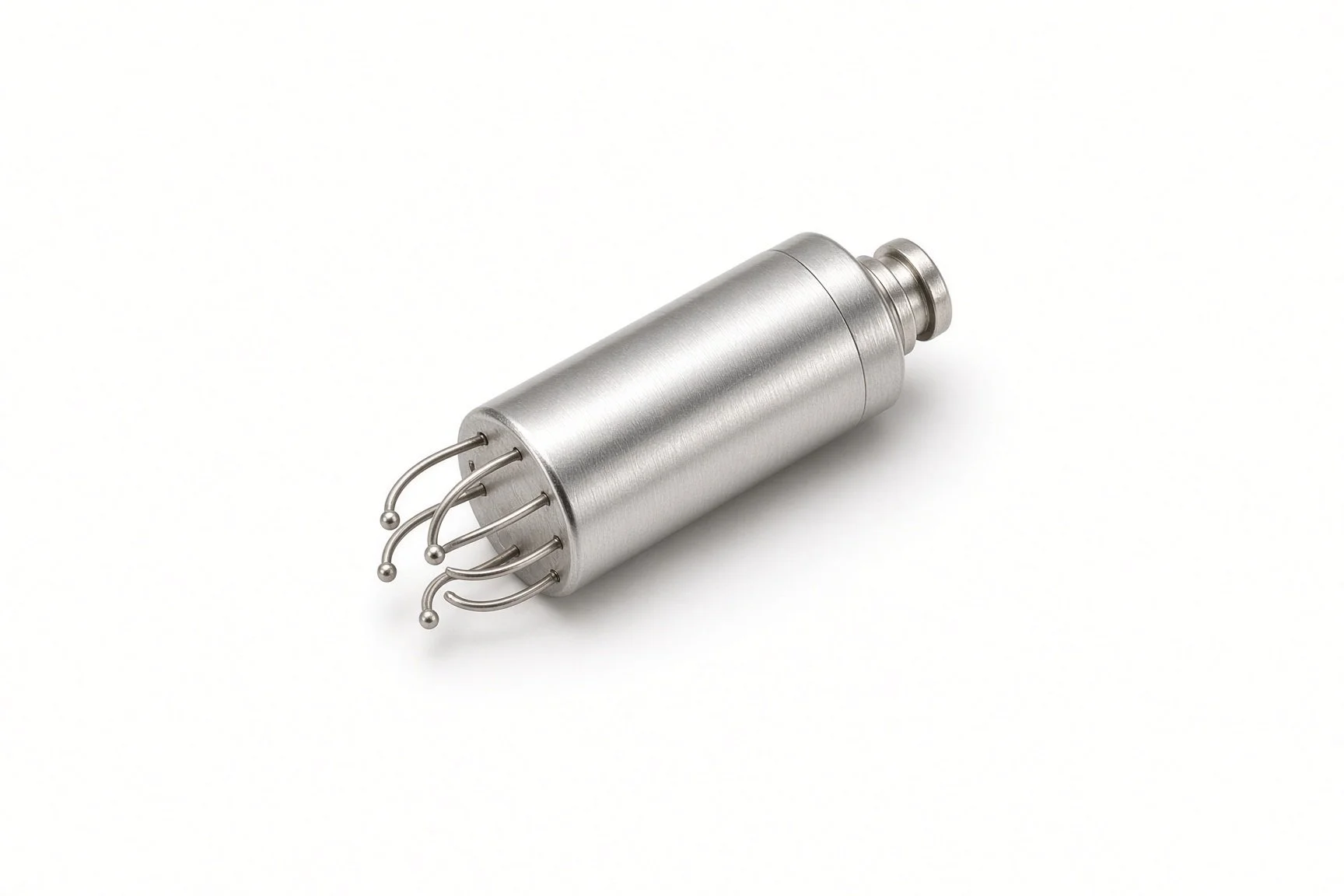
Leadless pacemaker.
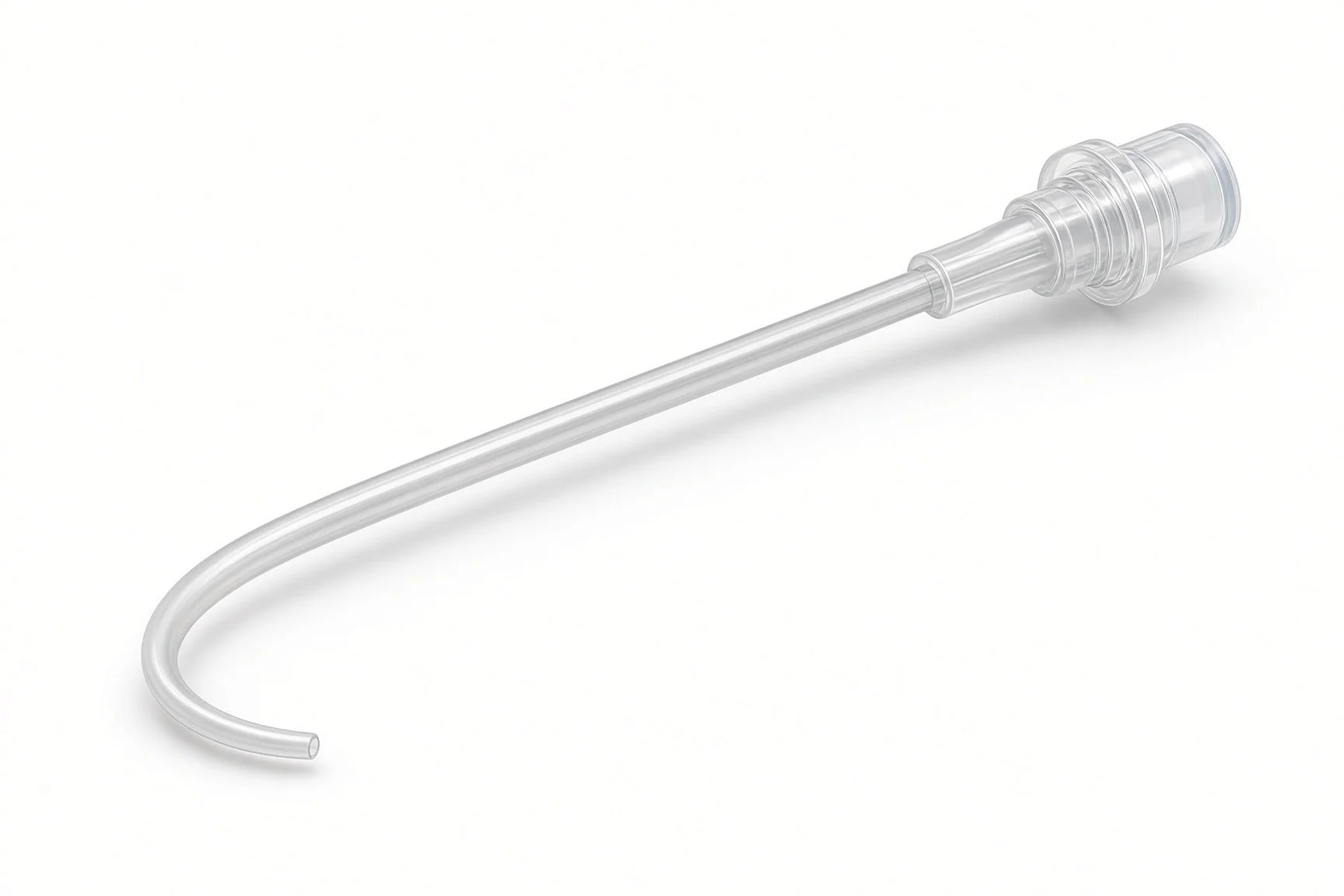
Pigtail catheter.
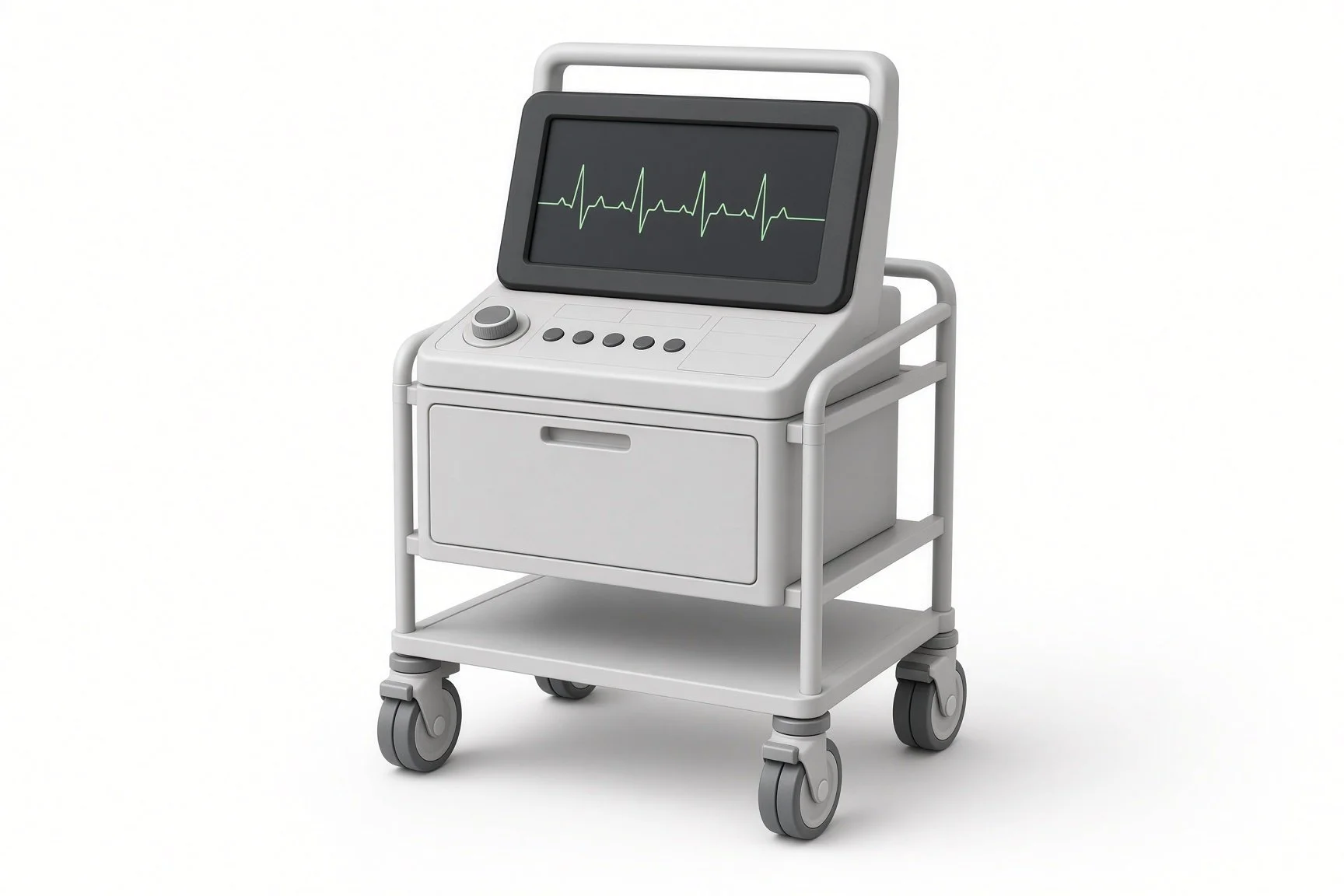
Pacing system analyser.
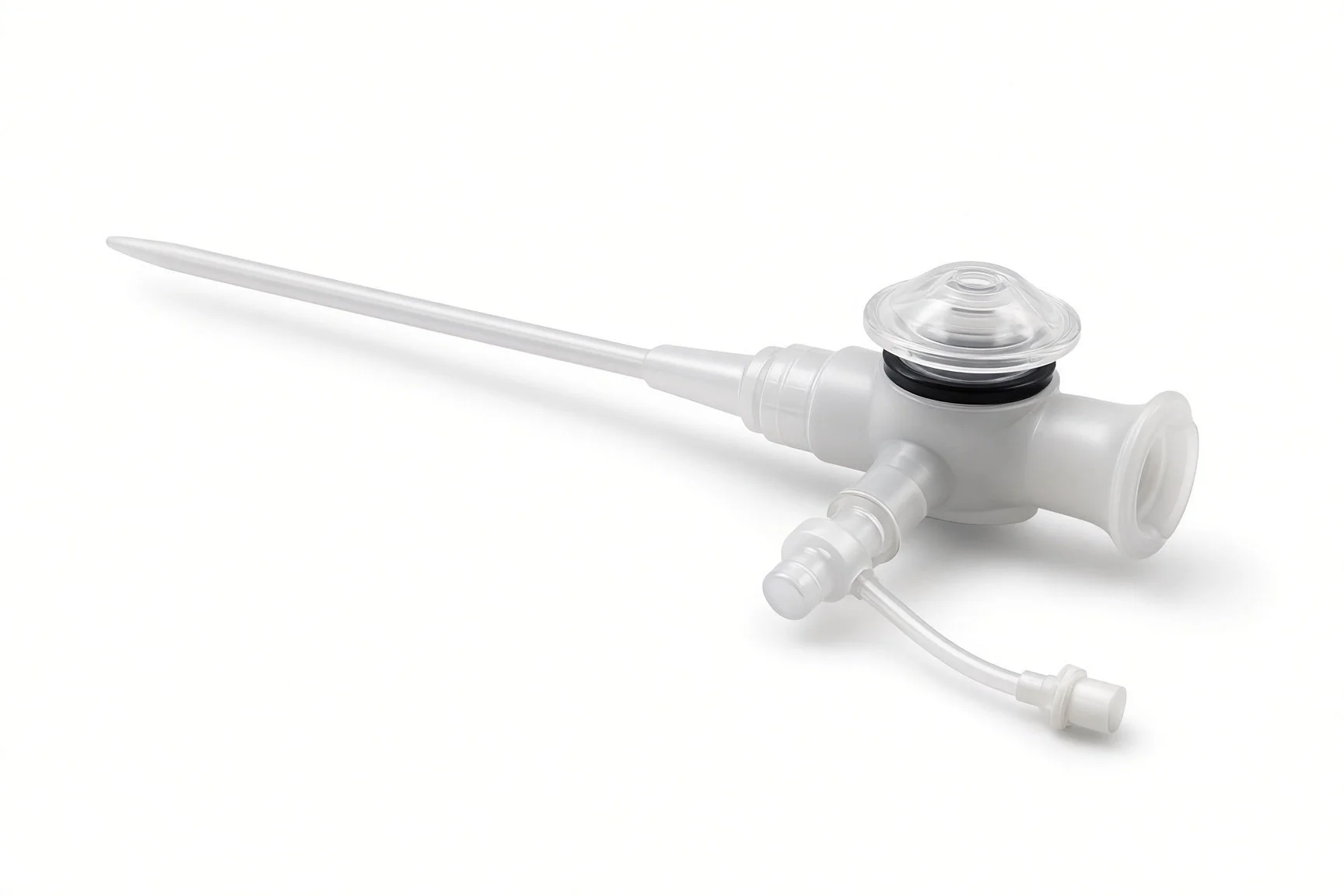
Large-bore femoral sheath.
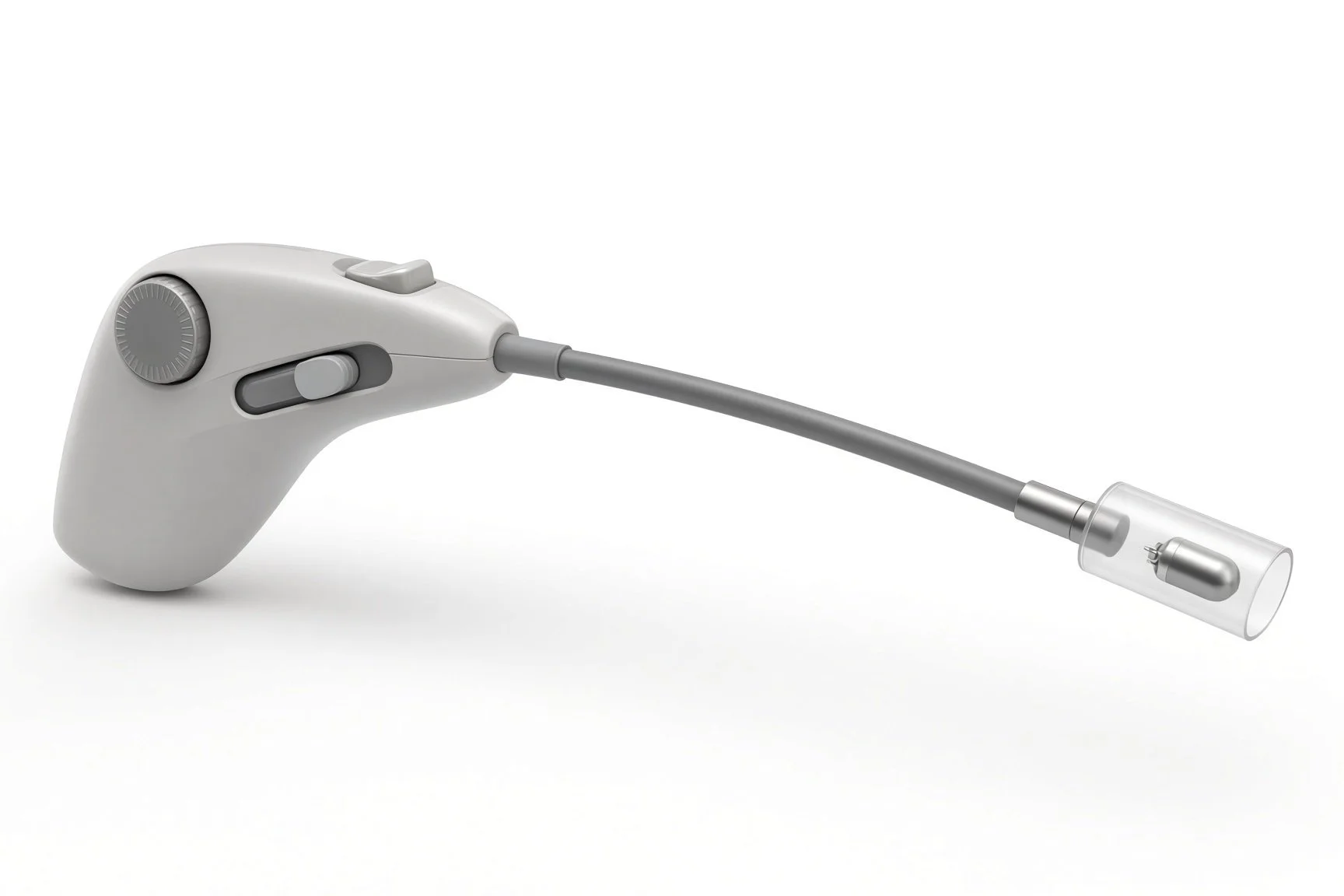
Leadless delivery catheter.
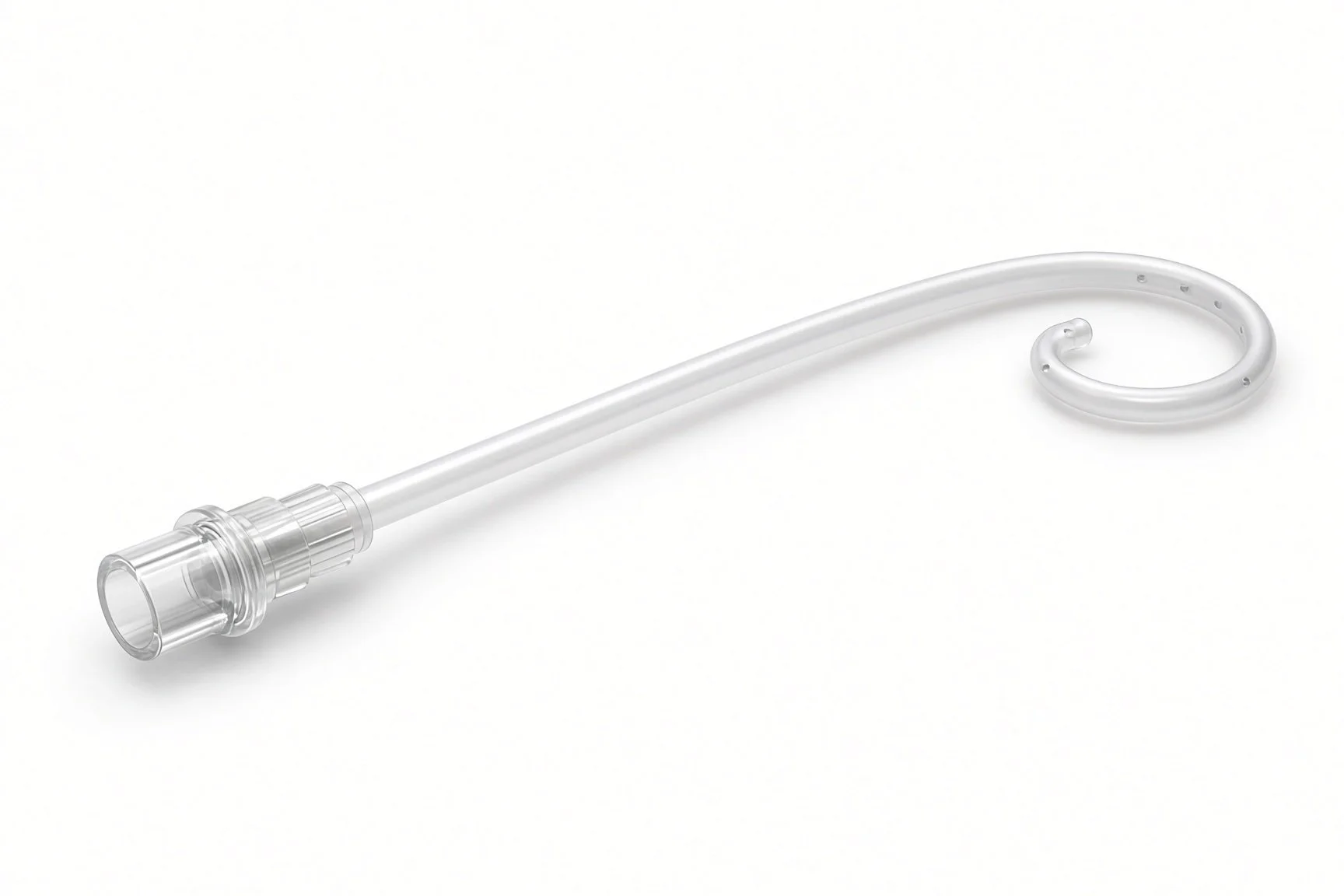
Pigtail catheter.
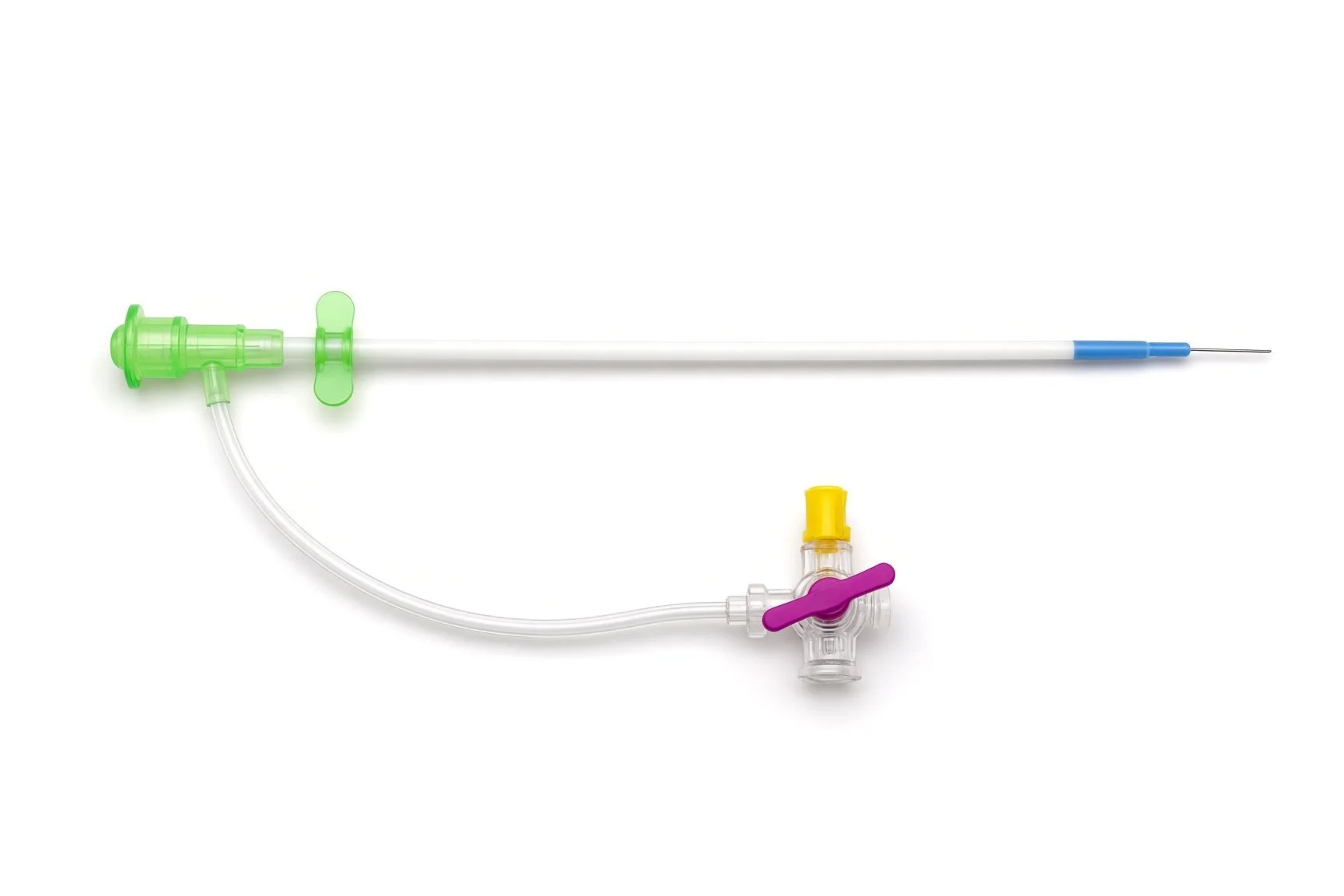
Large-bore femoral sheath.
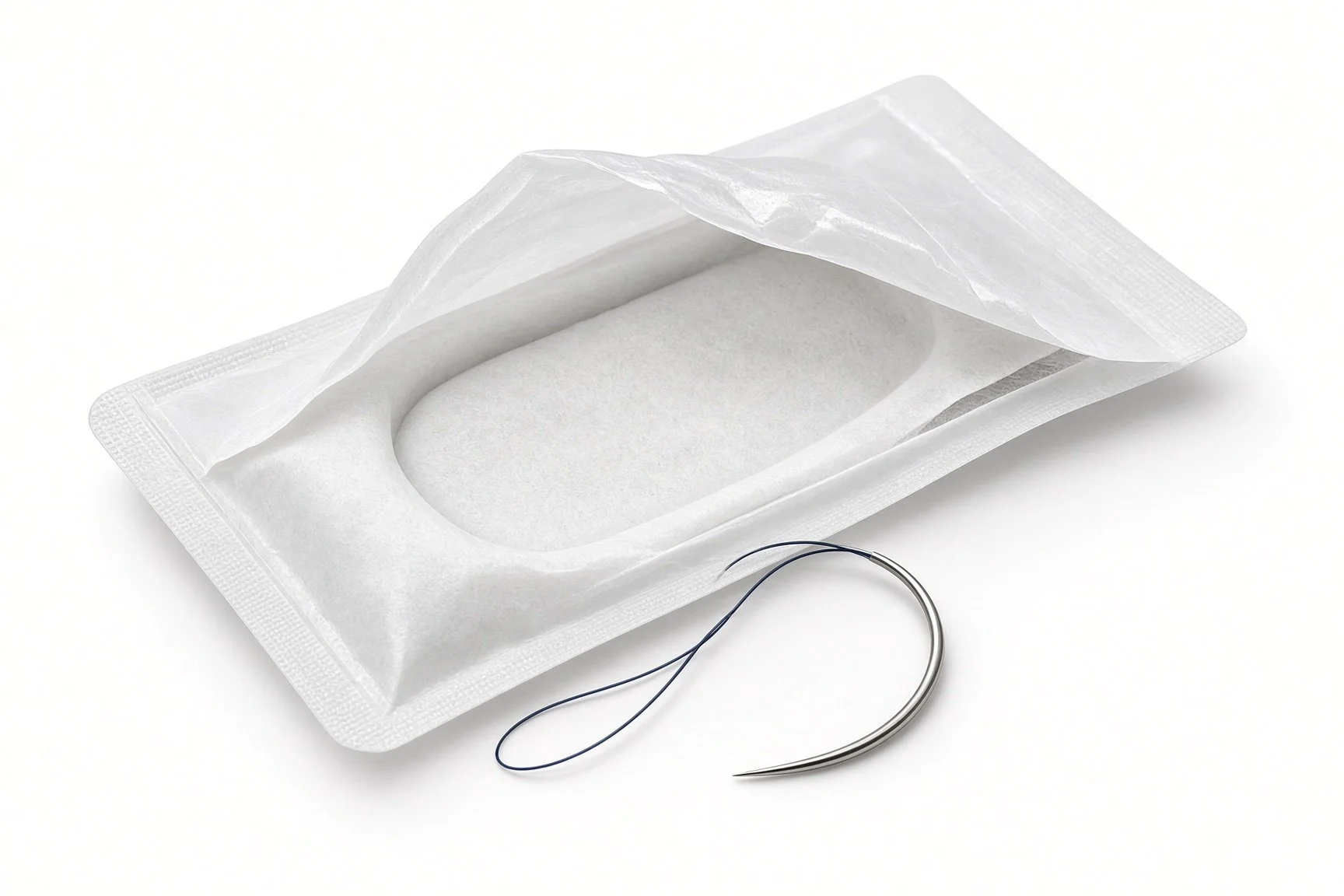
Figure-of-eight stitch.
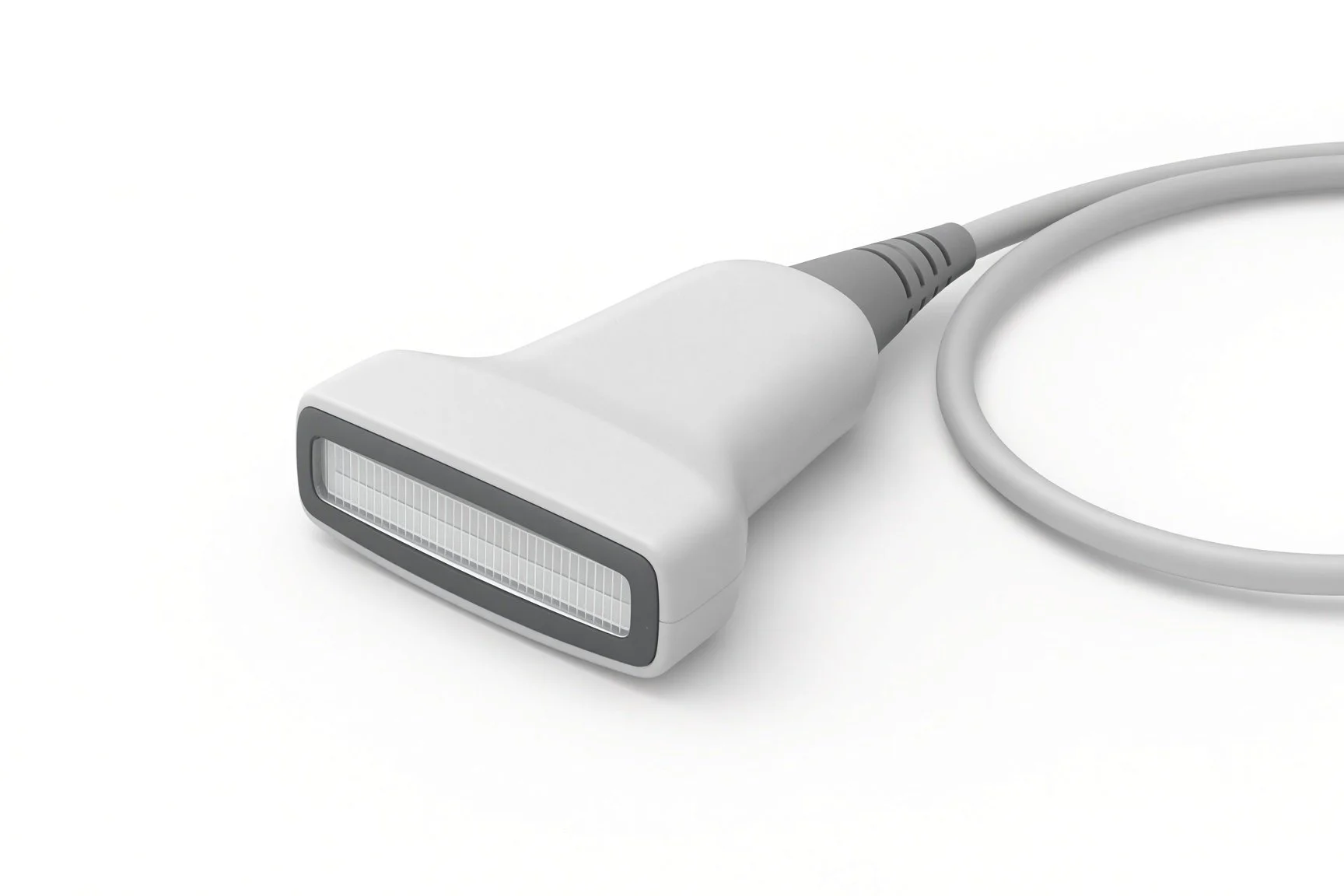
Ultrasound for access.

Pacing system analyser.
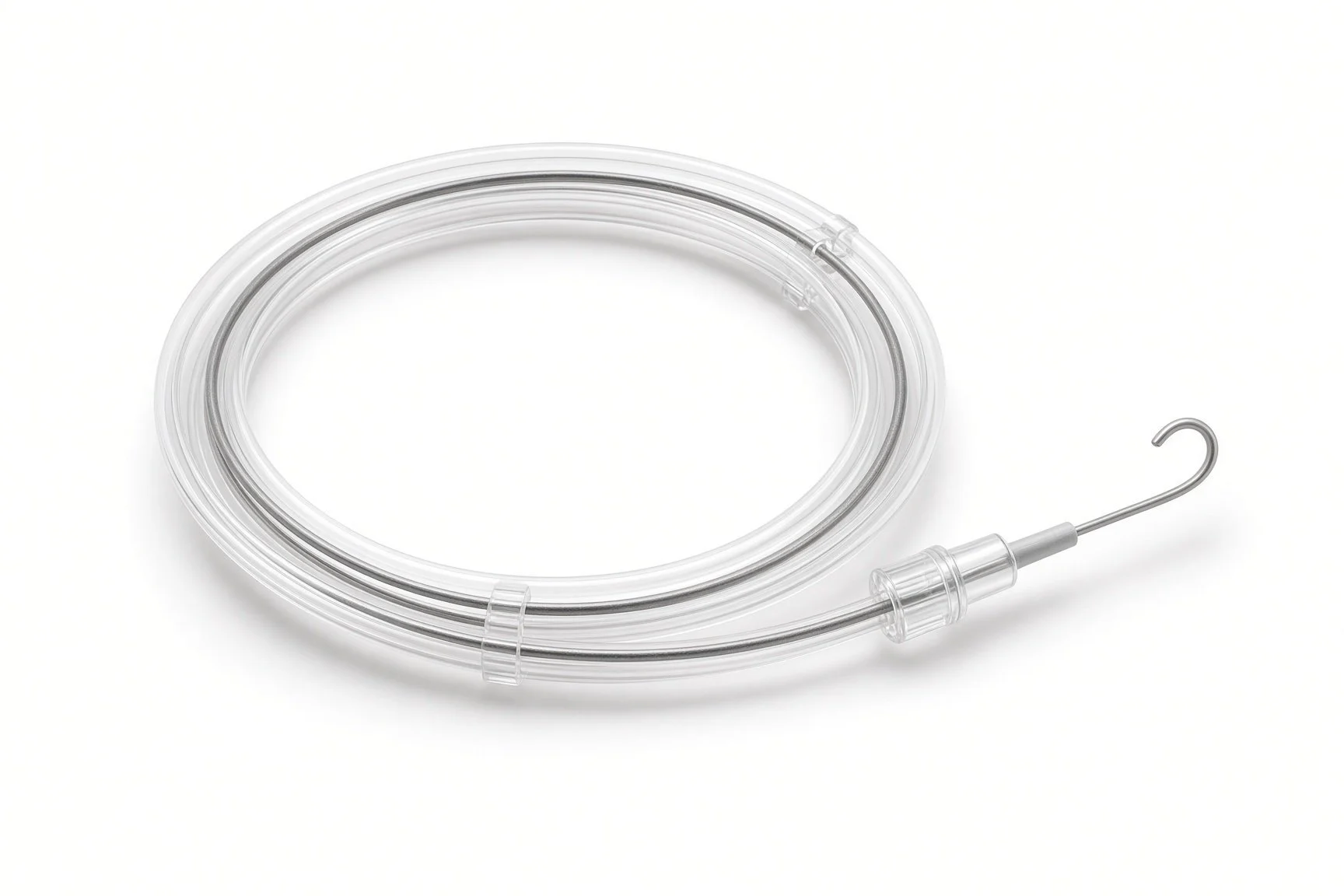
Stiff guidewire.
Procedural steps (Barts example)
Getting ready
Access
Placing the capsule
Dual-chamber systems
Closing the groin
First time in the cath lab?
Respect the sheath. It is large. Groin bleeding and leg checks matter afterwards.
Watch the pressure. Tamponade is rare but serious. Have echo and the drain kit ready, not in the store room.
Know the device. Fixation and recapture steps differ between systems. Read the instructions before your first case.
Who it suits. Ask why leadless was chosen; it helps you understand the follow-up.
Have echo and a pericardiocentesis kit ready in the room before the capsule goes in.
Keep the large sheath flushed and secure. It is easily pulled back.
Call out blood pressure during deployment. Tamponade can develop quickly.
Record the capsule position on fluoroscopy in two views.
FAQ
Will I see a scar on my chest?
No. The only wound is in the groin.
What happens when the battery runs out?
A new capsule can be placed next to the old one, or the old one may be retrieved, depending on the device and how long it has been in.
Can I have an MRI?
Leadless pacemakers are generally MRI conditional. Your device team will check and programme it first.
Does it do everything a normal pacemaker does?
Most pace one chamber. Some can time with the atria, and dual-chamber systems exist. Your team will explain which suits you.
Related Cath Lab 101 guides
Sources
All checked on 12 November 2026. Each page's own date is shown where it gives one.
Glikson M, et al. 2021 ESC Guidelines on cardiac pacing and cardiac resynchronization therapy. Eur Heart J 2021;42(35):3427–3520
NICE. Leadless cardiac pacemaker implantation for bradyarrhythmias, interventional procedures guidance. nice.org.uk
StatPearls (NCBI Bookshelf), search: leadless pacemaker. ncbi.nlm.nih.gov/books
Disclaimer
Education only. This page is for general education for healthcare students, cath lab staff and curious readers. It isn't medical advice and doesn't replace advice from your own doctor, heart team or local unit protocols. Equipment and medicines are described generically. No product or manufacturer is recommended. If you think someone is having a heart emergency, call 999.
Disclosure: I work for a company that makes a device used in this procedure. This page is independent education, isn't sponsored or reviewed by any company, and doesn't recommend any product.
All diagrams on this page are original illustrations created for rodnieoro.com.